feedzop-word-mark-logo
searchLogin
Feedzop
homeFor YouIndiaIndia
You
bookmarksYour BookmarkshashtagYour Topics
Trending
Terms of UsePrivacy PolicyAboutJobsPartner With Us

© 2026 Advergame Technologies Pvt. Ltd. ("ATPL"). Gamezop ® & Quizzop ® are registered trademarks of ATPL.

Gamezop is a plug-and-play gaming platform that any app or website can integrate to bring casual gaming for its users. Gamezop also operates Quizzop, a quizzing platform, that digital products can add as a trivia section.

Over 5,000 products from more than 70 countries have integrated Gamezop and Quizzop. These include Amazon, Samsung Internet, Snap, Tata Play, AccuWeather, Paytm, Gulf News, and Branch.

Games and trivia increase user engagement significantly within all kinds of apps and websites, besides opening a new stream of advertising revenue. Gamezop and Quizzop take 30 minutes to integrate and can be used for free: both by the products integrating them and end users

Increase ad revenue and engagement on your app / website with games, quizzes, astrology, and cricket content. Visit: business.gamezop.com

Property Code: 5571

Home / Environment / Arctic Bears Adapt: Unexpected Resilience in Barents Sea

Arctic Bears Adapt: Unexpected Resilience in Barents Sea

29 Jan

•

Summary

  • Barents Sea polar bears show surprising health despite melting ice.
  • Bears are diversifying their diet with walruses, birds, and carcasses.
  • While some adapt, other polar bear populations face severe decline.
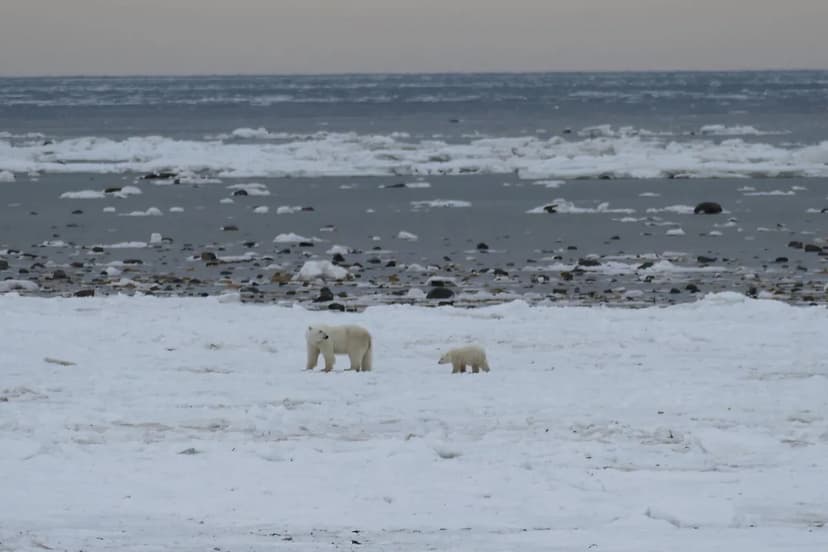
Arctic Bears Adapt: Unexpected Resilience in Barents Sea

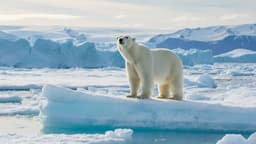
Polar bears in the Barents Sea north of Norway are demonstrating unexpected resilience to the effects of climate change. Recent research, published in Scientific Reports, indicates that this subpopulation is not experiencing the anticipated health impacts despite significant melting of sea ice and extended ice-free periods.

Scientists observed that these bears are adapting by consuming a wider variety of prey, including walruses, bird eggs, and whale carcasses, in addition to their typical seal diet. This dietary shift, coupled with the rebound of walrus populations, appears to be supporting their body condition, a key indicator of health. Researchers have gathered data on 770 bears through live captures between 1995 and 2019.

Despite this localized success, experts caution that this adaptation may be temporary and does not reflect the situation for all polar bear subpopulations. Bears in other regions, such as western Hudson Bay and the Beaufort Sea in Canada, are facing significant declines in body condition, survival, and reproduction directly linked to sea ice loss.

trending

Salesforce lays off 1000

trending

India US trade tariffs slashed

trending

Margot Robbie's Wuthering Heights panned

trending

CBSE board exams: key details

trending

Jana Nayagan movie court case

trending

Dhakshineswar Suresh Davis Cup hero

trending

Deepika Padukone wears Gaurav Gupta

trending

NZ vs UAE match prediction

trending

iPhone 17 Croma Valentine's sale

Ultimately, the long-term future for polar bears remains precarious as global warming continues to reduce sea ice habitat worldwide. While the Barents Sea bears offer a glimpse of adaptation, the overall threat to the species remains critical, with significant ice loss projected to be devastating.

Disclaimer: This story has been auto-aggregated and auto-summarised by a computer program. This story has not been edited or created by the Feedzop team.
Yes, polar bears in the Barents Sea north of Norway are showing surprising resilience to melting sea ice and are adapting their diets to survive.
They are diversifying their diet to include prey like walruses, bird eggs, and whale carcasses, which helps maintain their body condition.
No, while some populations like those in the Barents Sea are adapting, others, particularly in Canada, are experiencing significant declines due to sea ice loss.

Read more news on

Environmentside-arrow

You may also like

Global Warming Continues: January 2026 Hottest on Record

1 hour ago

article image

Wildfire Smoke Kills Thousands Annually in US

5 Feb • 20 reads

article image

Arctic Heat Fuels Extreme Weather Myths

27 Jan • 90 reads

article image

UN: Earth is Living Beyond Its Hydrological Means

21 Jan • 129 reads

article image

Polar Bears: Not White, Threatened, And Vital Arctic Keepers

17 Jan • 131 reads

article image