Home / Environment / Arctic Journeys: Survival, Culture, and Mystery
Arctic Journeys: Survival, Culture, and Mystery
15 Feb
Summary
- Narwhal tusks once mistaken for unicorn horns in medieval Europe.
- Arctic wolves showed unusual tolerance to human presence.
- Declining caribou numbers are a major concern for Indigenous peoples.
Neil Shea embarked on extensive travels across the Arctic, discovering not one but many distinct regions, each with unique languages, cultures, and nations. His journeys led him to witness the fascinating 'tusking' behavior of narwhals in Canada's Admiralty Inlet, a phenomenon once mistaken for unicorn horns in medieval Europe. He also encountered Arctic wolves on Ellesmere Island, noting their surprising calm around human presence.
Further explorations took Shea to King William Island, where he learned about Norwegian explorer Roald Amundsen's quest for the Northwest Passage and his reliance on Inuit knowledge for survival. The article highlights the enduring connection between Indigenous peoples and the natural world, despite modern technologies like snowmobiles and mobile phones.
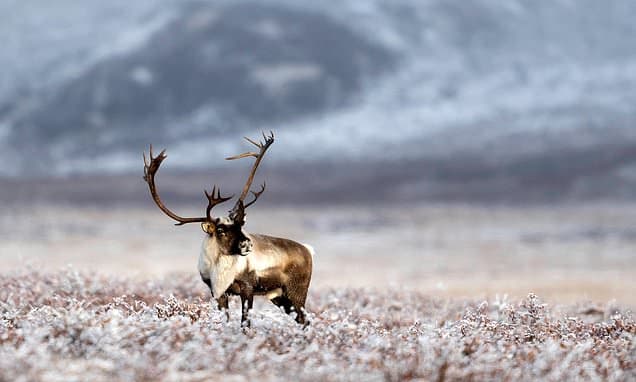
A significant concern raised is the unexplained decline in caribou numbers across North America, a matter of deep worry for the Tlicho people, for whom caribou are integral to their way of life. Shea observed the profound joy of the Tlicho upon finding a small herd.
In Alaska, Shea spent time with the Nunamiut, who until recently were nomadic. He also delved into the history of Norse settlements in Greenland, which mysteriously disappeared by the 15th century. A prevailing theory suggests their decline was linked to a decrease in walrus tusk trade due to the increased availability of African ivory in Europe.
Shea's journey concluded in Norway, near the Russian border, where he observed rising geopolitical tensions. The overarching theme of his travels, echoed by Inuit activist Sheila Watt-Cloutier, is that the Arctic's current challenges foreshadow the future for the rest of the world.