feedzop-word-mark-logo
searchLogin
Feedzop
homeFor YouIndiaIndia
You
bookmarksYour BookmarkshashtagYour Topics
Trending
Terms of UsePrivacy PolicyAboutJobsPartner With Us

© 2026 Advergame Technologies Pvt. Ltd. ("ATPL"). Gamezop ® & Quizzop ® are registered trademarks of ATPL.

Gamezop is a plug-and-play gaming platform that any app or website can integrate to bring casual gaming for its users. Gamezop also operates Quizzop, a quizzing platform, that digital products can add as a trivia section.

Over 5,000 products from more than 70 countries have integrated Gamezop and Quizzop. These include Amazon, Samsung Internet, Snap, Tata Play, AccuWeather, Paytm, Gulf News, and Branch.

Games and trivia increase user engagement significantly within all kinds of apps and websites, besides opening a new stream of advertising revenue. Gamezop and Quizzop take 30 minutes to integrate and can be used for free: both by the products integrating them and end users

Increase ad revenue and engagement on your app / website with games, quizzes, astrology, and cricket content. Visit: business.gamezop.com

Property Code: 5571

Home / Environment / Arctic Ice Melts Faster Due to Ship Soot

Arctic Ice Melts Faster Due to Ship Soot

9 Feb

•

Summary

  • Ship soot absorption of sun's heat accelerates Arctic warming.
  • Arctic warming impacts global weather patterns.
  • Black carbon pollution from ships is unregulated in the Arctic.
Arctic Ice Melts Faster Due to Ship Soot

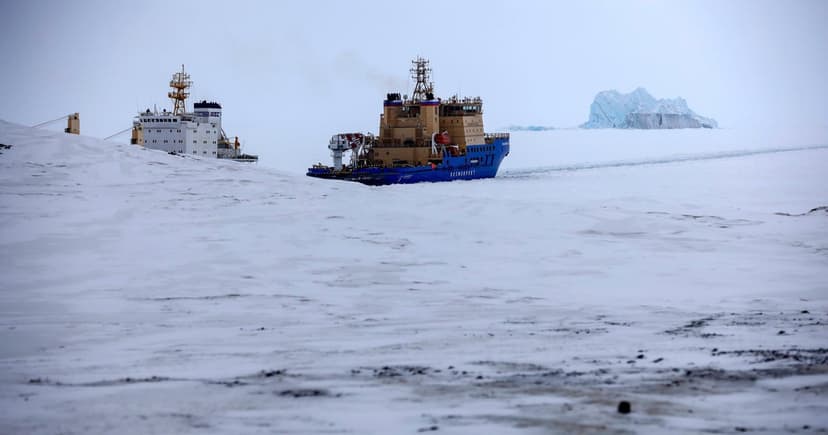
As Arctic sea ice rapidly melts due to rising global temperatures, a surge in ship traffic is occurring on previously impassable routes. This increase in Arctic maritime activity carries a substantial environmental consequence, as black carbon, commonly known as soot, spews from vessels and intensifies the melting process.

When glaciers and ice are coated with this soot, their capacity to reflect sunlight diminishes. Instead, the heat from the sun is absorbed, contributing to the Arctic becoming the planet's fastest-warming region. This accelerated melting of Arctic sea ice can subsequently influence weather systems worldwide, creating a self-perpetuating cycle of increased warming.

International regulators are currently discussing proposals to mandate cleaner fuels for ships operating in Arctic waters, particularly focusing on reducing black carbon emissions. Despite a ban on heavy fuel oil enacted in 2024, its impact has been limited due to loopholes, with some ships permitted to continue using it until 2029. The push to reduce black carbon, a pollutant with a warming impact significantly greater than carbon dioxide, faces challenges from conflicting international interests and within Arctic nations themselves, where powerful industries like fishing can resist environmental regulations.

trending

Salesforce lays off 1000

trending

India US trade tariffs slashed

trending

Margot Robbie's Wuthering Heights panned

trending

CBSE board exams: key details

trending

Jana Nayagan movie court case

trending

Dhakshineswar Suresh Davis Cup hero

trending

Deepika Padukone wears Gaurav Gupta

trending

NZ vs UAE match prediction

trending

iPhone 17 Croma Valentine's sale

Despite these challenges, some major shipping companies are proactively pledging to avoid Arctic routes, such as the Northern Sea Route, due to environmental concerns and operational dangers. The debate over Arctic commercial shipping is intensifying, with environmental groups advocating for strict fuel regulations as the most viable method to curb black carbon emissions.

Disclaimer: This story has been auto-aggregated and auto-summarised by a computer program. This story has not been edited or created by the Feedzop team.
Black carbon from ships coats glaciers and ice, reducing their ability to reflect the sun's heat. Instead, the heat is absorbed, causing the ice to melt faster and accelerating Arctic warming.
International regulators are considering proposals for ships in Arctic waters to use cleaner fuels that produce less pollution, specifically targeting black carbon emissions, which are currently unregulated in the region.
Some companies are avoiding Arctic routes like the Northern Sea Route due to environmental concerns related to pollution, including black carbon, and the inherent operational dangers associated with these waters.

Read more news on

Environmentside-arrow

You may also like

Global Warming Continues: January 2026 Hottest on Record

1 day ago • 9 reads

article image

Arctic Heat Fuels Extreme Weather Myths

27 Jan • 101 reads

article image

Arctic Meltdown Triggers Global Extremes

26 Jan • 90 reads

article image

Greenland's Ice Melts: A Global Climate Ticking Bomb

14 Jan • 191 reads

article image

Arctic Meltdown: Record Heat, Vanishing Ice

29 Dec, 2025 • 280 reads

article image