Home / Environment / Arctic Ice Fails: Deadly Warning as Winters Warm
Arctic Ice Fails: Deadly Warning as Winters Warm
17 Mar
Summary
- Warming winters make ice less predictable, leading to fatal accidents.
- Indigenous communities face disrupted hunting and travel due to ice instability.
- Technology offers some help, but cannot replace generational ice knowledge.
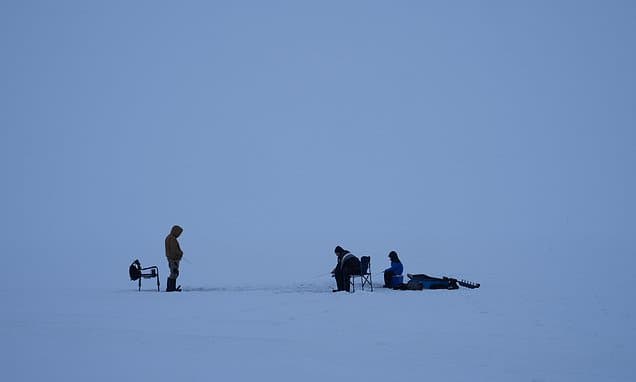
Warming winters are making Arctic ice unpredictable, leading to a sharp increase in fatal accidents. Elmer Brown's death from hypothermia in November 2025, after falling through ice while hunting caribou, highlights the dangers. His brother noted the pressure to hunt during shorter, less reliable seasons.
This instability disrupts traditional hunting and travel for Indigenous communities, who depend on frozen waterways. While some communities use satellite imagery and social media for ice observations, these tools cannot fully replace the predictability of past generations.
A study revealed drowning rates surged significantly with rising winter temperatures. March and April are particularly dangerous as melting accelerates, sometimes making ice unsafe in just a few days. This trend erodes generations of ice safety knowledge.
In Alaska, communities like Kotzebue have seen average fall temperatures rise significantly. Ice season is drastically shorter, impacting seal hunting and travel, especially for the 80% of communities not connected to the road system.
The changing climate threatens the entire Arctic ecosystem. Sea ice breakup affects algal blooms, crucial for the food chain. Lakes are losing ice cover, and researchers predict a future with significantly less frozen water, altering Arctic life as we know it.