feedzop-word-mark-logo
searchLogin
Feedzop
homeFor YouIndiaIndia
You
bookmarksYour BookmarkshashtagYour Topics
Trending
trending

Counterfeit rabies vaccine alert issued

trending

India U19 World Cup squad

trending

Gambhir's fate depends on T20

trending

Jurrien Timber injury unites Arsenal

trending

Nigeria vs Tunisia AFCON match

trending

Juventus faces Pisa Saturday

trending

Kartik Aaryan film earns crores

trending

Spalletti explains Juventus changes

trending

De'Aaron Fox out versus Jazz

Terms of UsePrivacy PolicyAboutJobsPartner With Us

© 2025 Advergame Technologies Pvt. Ltd. ("ATPL"). Gamezop ® & Quizzop ® are registered trademarks of ATPL.

Gamezop is a plug-and-play gaming platform that any app or website can integrate to bring casual gaming for its users. Gamezop also operates Quizzop, a quizzing platform, that digital products can add as a trivia section.

Over 5,000 products from more than 70 countries have integrated Gamezop and Quizzop. These include Amazon, Samsung Internet, Snap, Tata Play, AccuWeather, Paytm, Gulf News, and Branch.

Games and trivia increase user engagement significantly within all kinds of apps and websites, besides opening a new stream of advertising revenue. Gamezop and Quizzop take 30 minutes to integrate and can be used for free: both by the products integrating them and end users

Increase ad revenue and engagement on your app / website with games, quizzes, astrology, and cricket content. Visit: business.gamezop.com

Property Code: 5571

Home / Environment / Arctic Meltdown: Record Heat, Vanishing Ice

Arctic Meltdown: Record Heat, Vanishing Ice

29 Dec

•

Summary

  • Arctic temperatures hit record highs for the 2024-2025 period.
  • Sea ice extent reached its lowest point in 47 years of satellite records.
  • The Arctic is warming four times faster than the global average due to fossil fuels.
Arctic Meltdown: Record Heat, Vanishing Ice

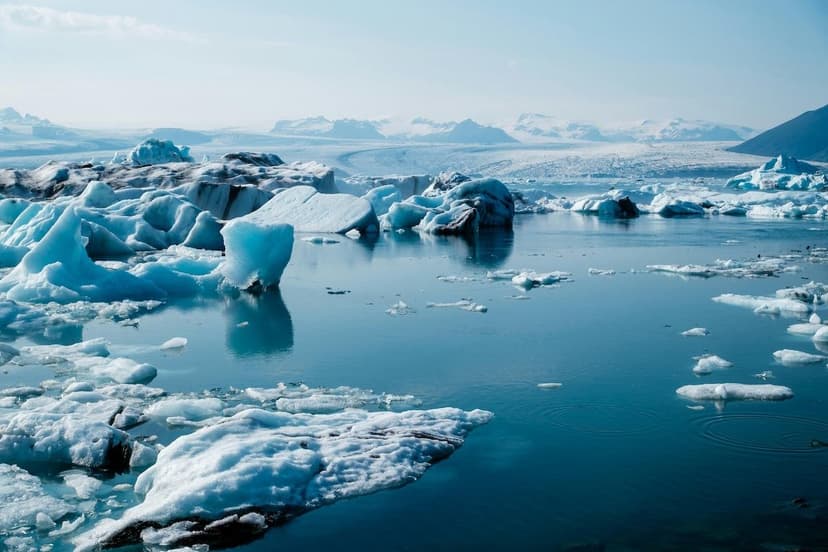
The Arctic region has concluded its warmest year on record, with temperatures from October 2024 to September 2025 reaching unprecedented levels in 125 years of monitoring. This extreme heat is contributing to a dramatic reduction in sea ice, with the maximum extent in 2025 marking a 47-year satellite record low. The Arctic's accelerated warming, occurring four times faster than the global average, is significantly altering its climate.

This warming trend is also making the Arctic rainier, with precipitation levels hitting a new yearly high. Much of this moisture is not settling as snow, leading to a stark decrease in June snow cover, which is now half of what it was six decades ago. Scientists observe changes even in winter, with rain occurring during the coldest months, redefining the Arctic's climate and impacting local ecosystems and travel conditions.

The consequences of the Arctic's transformation extend globally. Melting sea ice contributes to more heat absorption, while receding glaciers, such as the 129 billion tons lost from the Greenland ice sheet in 2025, directly cause sea level rise. These changes threaten coastal cities and disrupt global fisheries, underscoring the Arctic's role as a critical climate regulator.

Disclaimer: This story has been auto-aggregated and auto-summarised by a computer program. This story has not been edited or created by the Feedzop team.
From October 2024 to September 2025, the Arctic experienced its hottest year on record in 125 years.
The maximum sea ice extent in 2025 was the lowest recorded in 47 years, with the oldest and thickest ice declining dramatically.
The Arctic is warming four times faster than the global average primarily due to the burning of fossil fuels, which amplifies heat.

Read more news on

Environmentside-arrow

You may also like

Arctic Seas Swirl Faster: A Warming World's New Reality

18 Dec • 65 reads

article image

Arctic Meltdown Accelerates: Record Heat and Melting Ice

16 Dec • 92 reads

article image

Arctic Heat: Hottest Season on Record

17 Dec • 63 reads

article image

Polar Bears Rewriting DNA to Survive Climate Change

12 Dec • 132 reads

article image

Earth's Climate Tipping Points: A Dire Warning

19 Nov • 212 reads

article image