Home / Environment / Arctic 'Refrigerators' Offer Hope for Cold-Loving Species
Arctic 'Refrigerators' Offer Hope for Cold-Loving Species
1 Jun
Summary
- Arctic archipelagos may act as 'refrigerators' for cold-loving species.
- Past warming periods saw species survive on archipelagos like Novaya Zemlya.
- Mountain-tundra areas, like those in the Caucasus, face extinction risks.
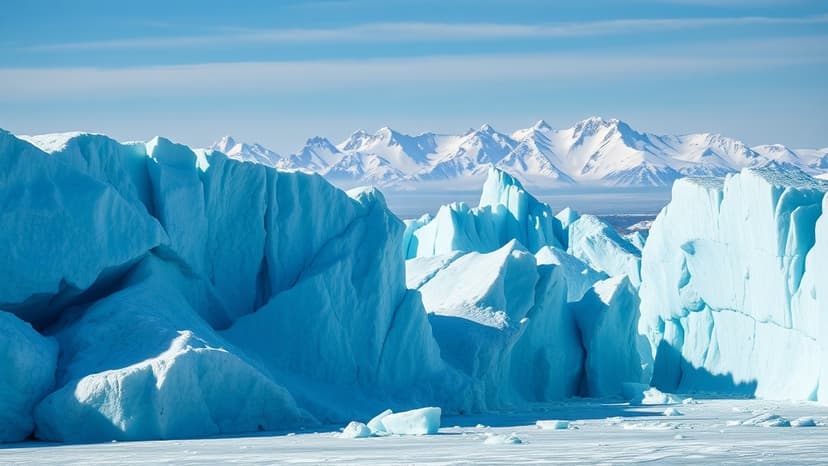
Arctic archipelagos, including Novaya Zemlya and Greenland, may function as 'refrigerators,' preserving cold-loving animal and plant species amidst global warming. These unique regions offer buffering properties, potentially sustaining high-latitude fauna even as mainland climates shift and forests encroach on coastlines.
Historical parallels exist, with past powerful warming periods seeing species survive in such locations. The Holocene, a current warm epoch, has seen less ice coverage compared to the Pleistocene, when megafauna like mammoths roamed vast, connected landmasses. These ancient species, like musk oxen, once had broader ranges across now-submerged land bridges such as Beringia.
During the Holocene climatic optimum, approximately 6-3 thousand years ago, temperatures were even warmer, with forests extending into areas now occupied by tundra. Despite these shifts, some high-latitude species persisted on archipelagos with ice sheets. However, vulnerable high-altitude environments, like those in the Caucasus Mountains, face a significant risk of disappearance if warming trends continue unchecked.


