Home / Environment / Aravalli Hills: Court's New Definition Sparks Ecological Crisis
Aravalli Hills: Court's New Definition Sparks Ecological Crisis
29 Dec
Summary
- New definition may remove legal protection from over 90% of Aravalli hills.
- Ecological function, not just elevation, must guide landscape protection.
- Water security and climate resilience depend on preserving these hills.
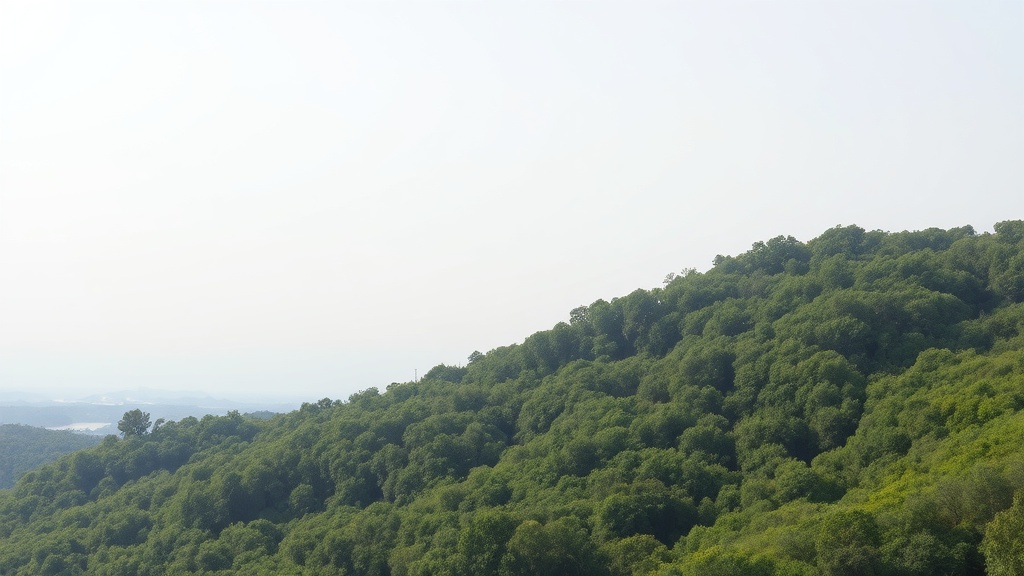
The Aravalli Hills face an ecological crisis following the Supreme Court's November 2025 acceptance of a new definition based on a 100-meter elevation cut-off. Critics contend this redefinition could remove legal protection from over 90% of the hills, jeopardizing essential ecological services.
Scientific mapping reveals that only a small fraction of the Aravalli's numerous low-lying ridges meet the new legal standard. These overlooked hills, crucial for preventing desertification, regulating wind and dust, and maintaining local microclimates, risk becoming legally invisible despite their significant environmental functions.
Experts advocate for adopting functional ecological criteria, such as recharge potential and vegetation continuity, alongside elevation. Integrating these landscapes into climate adaptation and water security policies is deemed essential for environmental resilience and safeguarding regions like the Delhi-NCR from increasing climate-related hazards.