Home / Environment / Aravalli Ecosystem Under Double Attack: Citizens Rally
Aravalli Ecosystem Under Double Attack: Citizens Rally
1 Dec, 2025
Summary
- New policies exempt waste plants from environmental clearance.
- Redefined Aravalli hills exclude over 90% of the range.
- Citizens voice alarm over potential pollution and biodiversity loss.
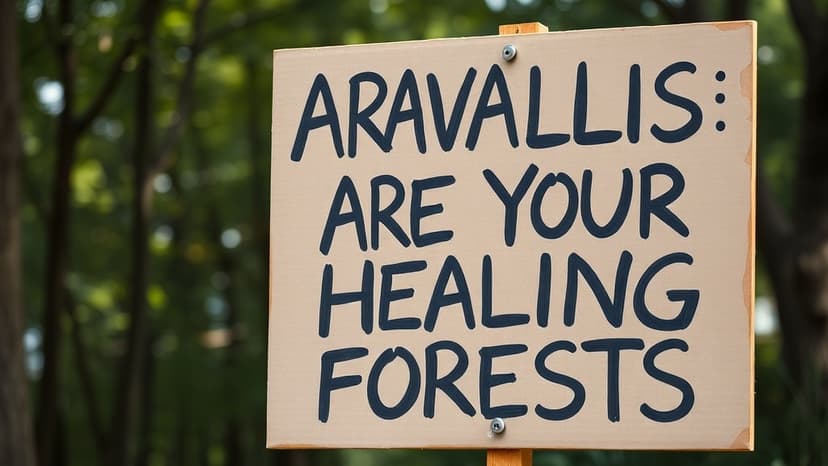
A significant gathering of citizens and environmental volunteers recently convened to voice strong opposition to what they described as a "double attack" on the Aravalli ecosystem. The focus was on two recent governmental actions: a draft notification to exempt Waste-to-Energy plants and landfills from mandatory Environmental Clearance (EC), and a redefinition of the Aravalli hills by a Union Environment Ministry panel.
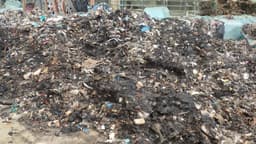
Environmental advocates expressed shock over the potential exemption for Waste-to-Energy plants and landfills, warning it could permit highly toxic facilities in sensitive areas like the Aravallis without proper oversight. Concurrently, a Supreme Court-accepted redefinition of Aravalli hills now considers only landforms above 100 meters elevation, excluding over 90% of the range previously protected under broader norms.
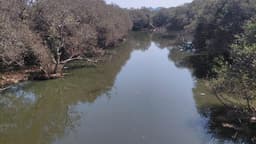
This redefinition raises alarms about increased mining and construction, threatening NCR pollution levels, biodiversity, and vital water aquifers. Despite no formal response from relevant ministries, concerned citizens are urged to join ongoing efforts to protect this crucial ecological corridor before irreversible damage occurs.