Home / Environment / Delhi's Anupam Colonies: Trash Transformed Locally
Delhi's Anupam Colonies: Trash Transformed Locally
16 Feb
Summary
- Six residential colonies are testing decentralized waste management.
- Waste is segregated at source and processed on-site.
- Compost generated is distributed free to residents.
New Delhi is piloting a decentralized waste management model with six residential colonies designated as 'Anupam Colonies'. This initiative aims to process waste within the colonies themselves, moving away from traditional centralized systems. Waste is meticulously segregated at the source into wet, dry, and sanitary categories.
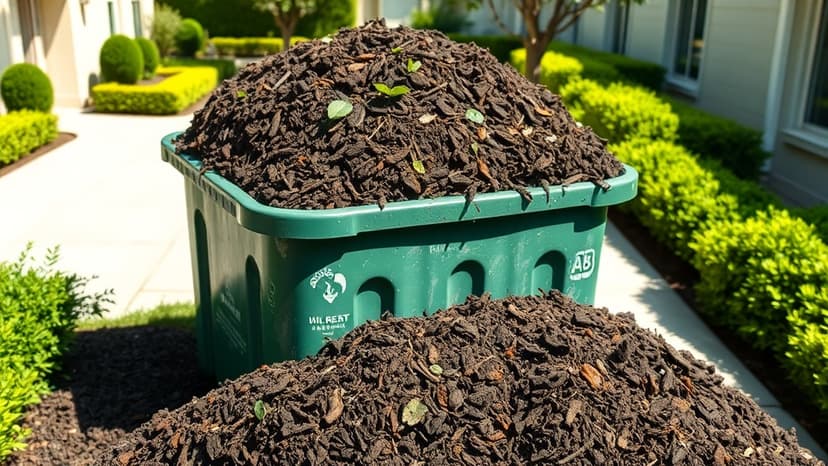
Wet and horticultural waste are composted on-site using specialized bins, eliminating the need for transport to municipal plants. Dry waste is further sorted for recycling, and the generated compost is distributed freely to residents. Surplus compost aids the local horticulture department.
Several colonies, including those in Chanakyapuri and Bharti Nagar, are actively involved. Bapu Dham, declared an Anupam Colony in September 2025, faced initial challenges but now sees residents effectively segregating waste. Income from recyclables supports community repairs.
Kaka Nagar, the latest addition in February 2026, utilizes mechanized sweeping machines for cleaner streets. While efforts are ongoing, challenges remain regarding further sorting of recyclables by waste workers. Other colonies are expected to join this waste management transformation soon.