Home / Environment / Antarctica's Ice Sheet 'Deep Wounds' Revealed
Antarctica's Ice Sheet 'Deep Wounds' Revealed
3 Mar
Summary
- Antarctica lost ice area eight times larger than London.
- Ice loss is concentrated in West Antarctica, not uniform.
- Thwaites and Pine Island glaciers show significant retreat.
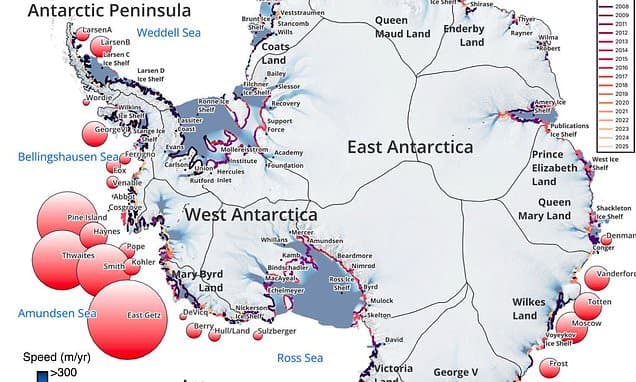
A comprehensive 30-year study using satellite data has mapped Antarctica's shrinking ice, revealing an area loss exceeding eight times that of Greater London. While 77% of the ice sheet has remained stable since 1996, rapid ice loss is critically concentrated in specific regions. This phenomenon, termed 'grounding line migration,' indicates ice shelves are receding where they meet the ocean.
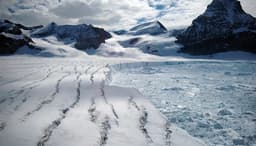
The most dramatic changes are observed in West Antarctica's Amundsen Sea and Getz regions, with glaciers like Pine Island and Thwaites retreating by miles. This glacier melt releases land-locked freshwater into the oceans, directly contributing to global sea level rise. Scientists attribute this vulnerability to increased exposure to warming ocean waters.
However, some ice loss in the Northeast Antarctic Peninsula defies current explanations, as it occurs without clear evidence of warm ocean water proximity. This suggests other factors may be at play in certain areas. The study's findings underscore the urgent need to curb emissions to mitigate future sea level increases, which could significantly redraw global coastlines.