Home / Environment / Antarctic Ice Shelves Melting Fast From Below
Antarctic Ice Shelves Melting Fast From Below
18 Jan
Summary
- Antarctic ice shelves are melting from underneath due to ocean heat.
- This basal melt is causing an estimated loss of 843 billion tonnes annually.
- This melting contributes significantly to uncertain future sea level rise.
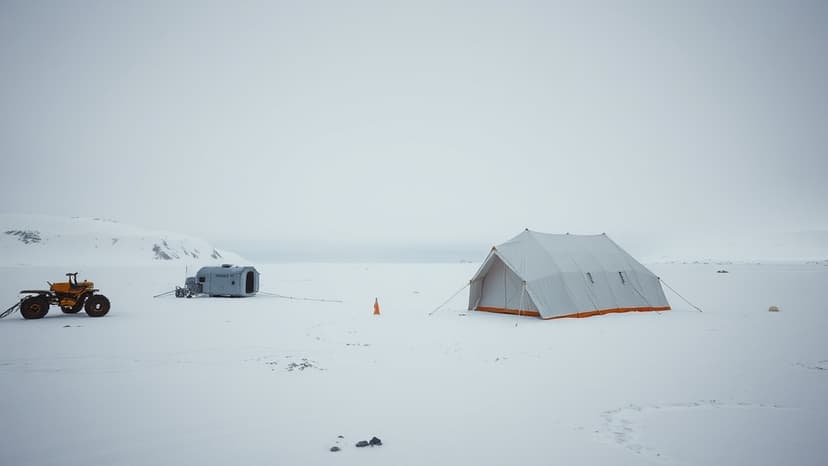
Antarctic ice shelves are experiencing significant melting from underneath due to warming ocean waters. This phenomenon, known as basal melt, is estimated to be causing the continent's ice shelves to lose approximately 843 billion tonnes of mass annually. This rate of loss is a major contributor to the uncertainty surrounding future global sea level rise projections.
Understanding this ocean-driven melting is urgent because it can destabilize ice shelves, accelerating the flow of the main ice sheet into the ocean. While ice shelves floating on water do not directly raise sea levels when they melt, their instability can lead to significant sea level increases. Scientists are using complex modeling and limited direct measurements to grasp the full extent of this under-ice activity.