
Home / Environment / Antarctic Ice Loss: The Triple Threat Revealed
Antarctic Ice Loss: The Triple Threat Revealed
9 May
Summary
- Deep ocean heat, strong winds, and feedback loops destabilized Antarctic ice.
- Antarctica lost ice equivalent to Greenland's size since 2015.
- Melting ice accelerates warming, raises sea levels, and threatens coastal areas.
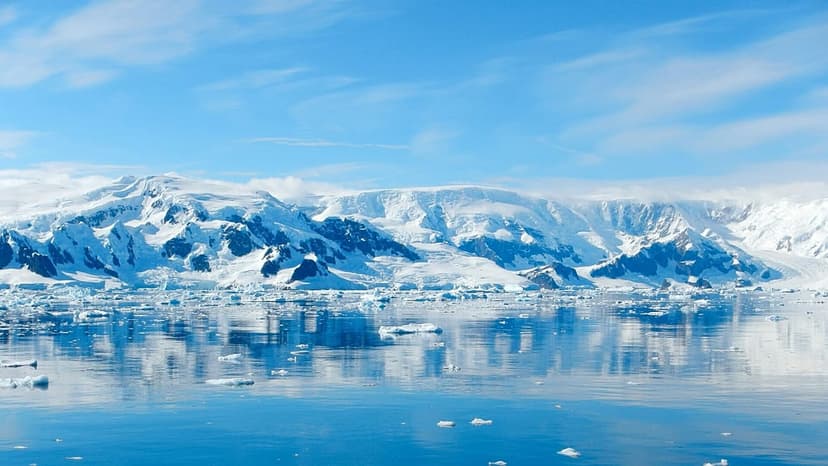
Antarctica has experienced a significant ice loss, losing approximately 149 billion metric tonnes annually between 2002 and 2020. A recent study pinpointed a "triple whammy" of factors destabilizing the Southern Ocean since 2015: deep ocean heat, powerful winds, and a self-reinforcing feedback loop. This combination has led to unprecedented sea ice lows and prevented its recovery.
The collapse unfolded in three stages, wiping out an area of sea ice nearly the size of Greenland. Initially, deep-sea heat accumulated, followed by violent water mixing. Strengthening winds around 2013 drew warm, deep ocean water closer to the surface, churning heat upward and causing rapid melting in East Antarctica.
Since 2018, a feedback loop has trapped the region. With less ice, the ocean surface remains warmer and saltier, hindering new ice formation. East Antarctica's decline is mainly due to rising warm water, while West Antarctica faces melting from warm air and cloud cover. Climate change exacerbates this by strengthening winds that draw warmer waters near the ice.
The loss of Antarctic sea ice, which reflects up to 80% of sunlight, accelerates global warming as darker ocean waters absorb more heat. This also increases the risk of ice shelf collapse, leading to sea level rise. Scientists warn that if low sea-ice coverage persists, the ocean could shift from a climate stabilizer to a driver of warming.
