Home / Environment / Animal Architects: Tiny Creatures Build Skyscraper-Like Homes
Animal Architects: Tiny Creatures Build Skyscraper-Like Homes
18 Feb
Summary
- Termite mounds reach over 20 feet, regulating temperature and housing millions.
- Prairie dog towns feature organised grids with distinct chambers for various needs.
- Beavers create wetland communities by building dams and lodges, supporting diverse life.
Animals across diverse environments are constructing remarkably organised settlements that rival human-built villages. These species exhibit advanced architectural skills, creating intricate housing, ventilation, nurseries, and defence mechanisms.
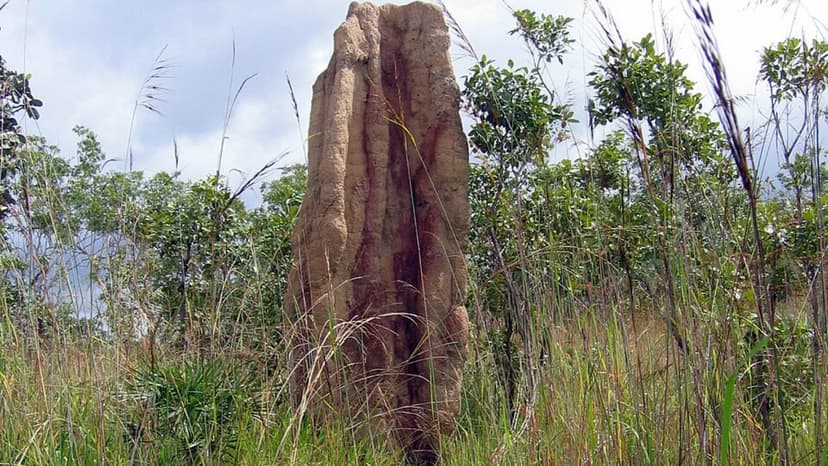
Termites are notable architects, with mounds in Africa and Australia reaching heights over 20 feet. These structures are not mere piles of mud; they contain complex tunnel systems, temperature regulation chambers, fungus farms, and ventilation shafts, maintaining a stable internal climate. Colonies of millions function as a single super-organism, making these mounds insect cities.
Prairie dogs excavate extensive underground towns, some spanning miles and housing thousands of individuals. These "villages" consist of family groups with specialised chambers for sleeping, rearing young, and predator evasion, complete with lookout systems and alarm calls.
Beavers act as ecosystem engineers, constructing dams that form ponds around which they build dome-shaped lodges with underwater entrances. These beaver-created wetlands become thriving communities, supporting not only beavers but also fish, birds, and plant life, transforming landscapes.
Ant colonies also display sophisticated societal organisation, with nests featuring elaborate tunnel networks for food storage, nurseries, waste disposal, and even agriculture, like the fungus gardens cultivated by leafcutter ants. Some supercolonies extend for kilometres, with millions of ants cooperating seamlessly.
Finally, weaver birds create communal nests in trees, with some species building enormous, thatched structures housing hundreds of birds. These avian apartment complexes are divided into individual nesting chambers and can be used and expanded over decades, showcasing cooperative living in treetops.