Home / Environment / Ancient Sharks With Pitchfork Teeth Discovered
Ancient Sharks With Pitchfork Teeth Discovered
3 Aug
Summary
- Six-gill sharks are an ancient order dating back 190 million years.
- Frilled sharks possess 25 rows of 300 pitchfork-shaped teeth.
- Bluntnose sixgill sharks, up to 18 feet, face conservation threats.
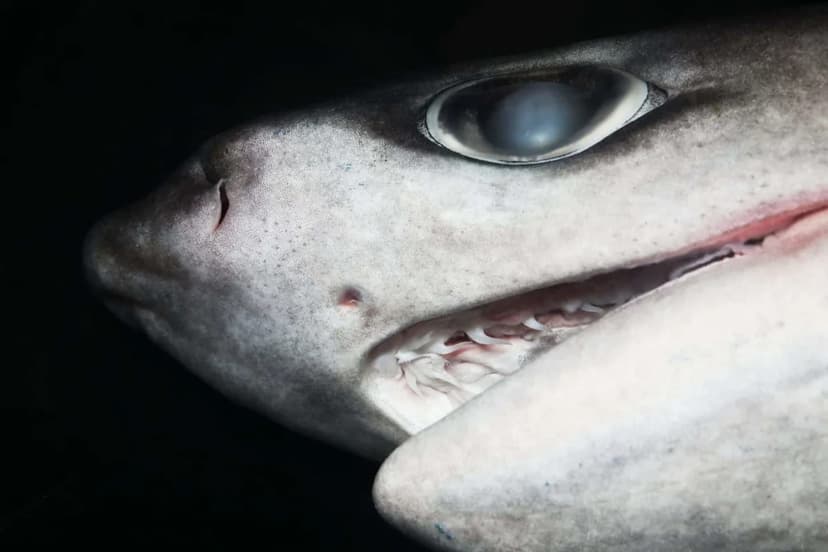
The Hexanchiformes, an ancient order of sharks, are characterized by primitive features such as having six or even seven gills, setting them apart from most shark species. This lineage dates back roughly 190 million years, with surviving members including various frilled and cow shark species. These creatures play vital roles in their deep-sea ecosystems, acting as predators or opportunistic hunters.
The frilled shark, for instance, inhabits deep pelagic zones and possesses an astonishing 25 rows of 300 pitchfork-shaped teeth, designed to firmly hold its prey. Despite its formidable dentition, it swallows prey whole. The rare African frilled shark, discovered in 1988, shares similar eel-like features and hunting strategies.
Cow sharks within this order, such as the bigeye sixgill and bluntnose sixgill, exhibit more fish-like bodies. The bluntnose sixgill is particularly noteworthy for its size, reaching up to 18 feet, and its widespread distribution. However, this species, along with others, faces threats from deep-sea trawls and slow maturation rates, leading to a Near Threatened status for the bluntnose sixgill.
Other members include the broadnose sevengill, with comb-shaped teeth on its lower jaw and jagged ones above, allowing it to consume a wide variety of marine life. The small but fierce sharpnose sevengill shark, despite its size, is a top predator in its habitat, known for its aggressive nature when hunting.


