Home / Environment / Amazon's 'Flying Rivers' Crucial for South America's Survival
Amazon's 'Flying Rivers' Crucial for South America's Survival
24 Aug
Summary
- Vast 'flying rivers' transport Amazonian moisture, sustaining much of South America's rainfall.
- Deforestation risks a critical tipping point, potentially leading to irreversible 'savannization'.
- Indigenous communities are key to preserving the Amazon's vital water-producing ecosystems.
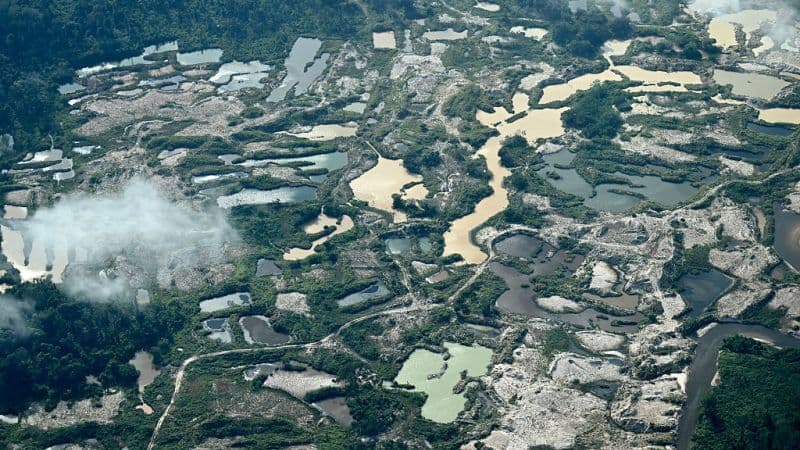
The Amazon rainforest acts as a vital water pump for South America, releasing billions of tons of moisture daily into the atmosphere. These atmospheric flows, known as "flying rivers," are carried by winds to deliver essential rainfall for forests, cities, crops, and power generation across the continent. The preservation of the Amazon ecosystem is paramount to sustaining these crucial moisture flows and ensuring continental water balance.
Human activities, particularly deforestation, are dangerously altering this delicate system. Scientists warn that exceeding a 25% deforestation threshold, coupled with global warming, could trigger an irreversible collapse, leading to "savannization." Such a collapse would devastate food production, water supplies, and energy generation, potentially causing widespread economic, social, and political instability.
Indigenous communities are recognized as indispensable guardians of the Amazon. Their deep-rooted traditional knowledge and stewardship are crucial for effective conservation strategies. Organizations are working to empower these communities, strengthen their governance, and integrate their ancestral wisdom into policies to protect the forest and its vital "flying rivers."


