feedzop-word-mark-logo
searchLogin
Feedzop
homeFor YouIndiaIndia
You
bookmarksYour BookmarkshashtagYour Topics
Trending
Terms of UsePrivacy PolicyAboutJobsPartner With Us

© 2026 Advergame Technologies Pvt. Ltd. ("ATPL"). Gamezop ® & Quizzop ® are registered trademarks of ATPL.

Gamezop is a plug-and-play gaming platform that any app or website can integrate to bring casual gaming for its users. Gamezop also operates Quizzop, a quizzing platform, that digital products can add as a trivia section.

Over 5,000 products from more than 70 countries have integrated Gamezop and Quizzop. These include Amazon, Samsung Internet, Snap, Tata Play, AccuWeather, Paytm, Gulf News, and Branch.

Games and trivia increase user engagement significantly within all kinds of apps and websites, besides opening a new stream of advertising revenue. Gamezop and Quizzop take 30 minutes to integrate and can be used for free: both by the products integrating them and end users

Increase ad revenue and engagement on your app / website with games, quizzes, astrology, and cricket content. Visit: business.gamezop.com

Property Code: 5571

Home / Environment / Alaskan Village Loses Thousands of Priceless Artifacts in Devastating Storm

Alaskan Village Loses Thousands of Priceless Artifacts in Devastating Storm

30 Oct, 2025

•

Summary

  • Typhoon Halong destroys archaeological site in Quinhagak, Alaska
  • Over 100,000 Yup'ik artifacts scattered and lost
  • Melting permafrost and coastal erosion pose ongoing threats
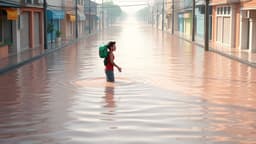
Alaskan Village Loses Thousands of Priceless Artifacts in Devastating Storm

On October 11-12, 2025, the remnants of Typhoon Halong struck the western Alaskan community of Quinhagak, near the edge of the Bering Sea. While the village was spared the widespread devastation seen in neighboring areas, it suffered a different kind of blow. The lashing winds and storm surge devoured dozens of feet of shoreline, disrupting a culturally significant archaeological site and washing away possibly thousands of unearthed artifacts.

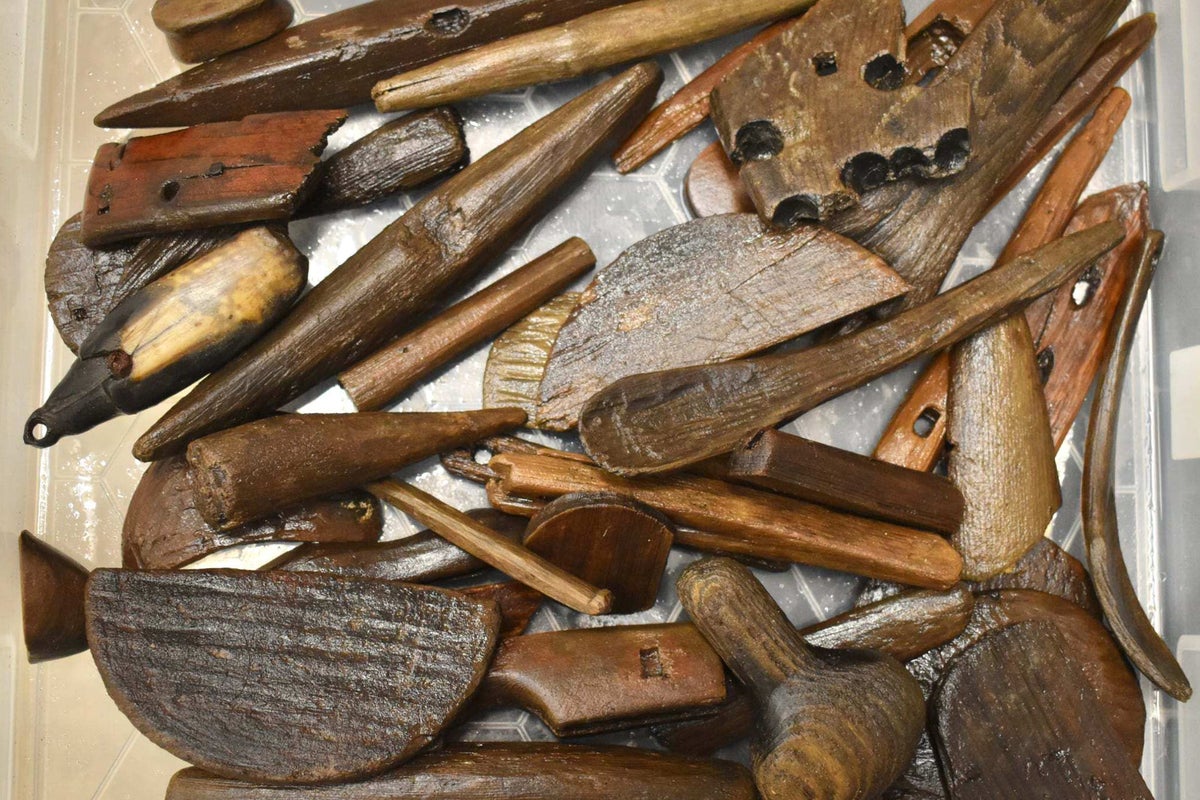
Archaeologist Rick Knecht, who has worked on the Nunalleq, or old village, project for 17 years, estimates that around 100,000 pieces, including wooden masks and tools, were left scattered by the storm. This is roughly the same number of artifacts previously recovered from the site, which has yielded the world's largest collection of pre-contact Yup'ik artifacts.

trending

DGFT allows wheat flour export

trending

Vande Bharat Sleeper Express begins

trending

EPF UPI withdrawals from April

trending

Gold, silver rates hit high

trending

JEE Mains admit card soon

trending

Andreeva wins Adelaide International final

trending

Lucknow weather: Cold, dense fog

trending

Hyderabad balloon festival begins

trending

Ravi Bishnoi replaces Sundar

The storm's impact has left major gaps in the archaeological record, making it difficult for researchers to fully understand Yup'ik life before the arrival of outsiders. "When there are holes or disturbances in the site, it's like trying to read a book with holes in the pages," Knecht explains. "The bigger those holes are, the weaker the story gets."

The Quinhagak community, which relies heavily on subsistence food gathering, now faces the ongoing threat of climate change. Melting permafrost, coastal erosion, and the potential for more frequent or stronger storms pose risks not only to the archaeological site but also to the community's infrastructure, including homes and critical facilities.

Archaeologists hope to return to the site next spring for a "rescue excavation" of the layers exposed by the storm, but the damage done by Typhoon Halong has left an indelible mark on this culturally significant piece of Yup'ik heritage.

Disclaimer: This story has been auto-aggregated and auto-summarised by a computer program. This story has not been edited or created by the Feedzop team.
The Nunalleq archaeological site in Quinhagak, Alaska was severely damaged by a storm in October 2025, with an estimated 100,000 Yup'ik artifacts scattered and lost.
The storm's destruction of the archaeological site has left major gaps in the understanding of Yup'ik life before the arrival of outsiders. The community, which relies heavily on subsistence food gathering, also faces ongoing threats from climate change, including melting permafrost and coastal erosion.
The Nunalleq project has been studying the world's largest collection of pre-contact Yup'ik artifacts found at the archaeological site in Quinhagak, Alaska. The project has combined traditional Yup'ik knowledge with modern archaeological techniques to learn about the community's past.

Read more news on

Environmentside-arrow

You may also like

Alaska Village Floats Away: Climate Change Forces Relocation

15 Dec, 2025 • 123 reads

article image

Filipinos Evacuate as Typhoon Kalmaegi Floods Streets, Braces for Next Storm

8 Nov, 2025 • 347 reads

article image

Typhoon Kalmaegi Slams Storm-Battered Central Vietnam, Thousands Evacuated

7 Nov, 2025 • 204 reads

Alaskan Village Fights to Rebuild After Devastating Typhoon Floods

7 Nov, 2025 • 268 reads

Apgujeong Playboy Rises to the Occasion as Unlikely CEO Hero

25 Oct, 2025 • 72 reads

article image