feedzop-word-mark-logo
searchLogin
Feedzop
homeFor YouIndiaIndia
You
bookmarksYour BookmarkshashtagYour Topics
Trending
Terms of UsePrivacy PolicyAboutJobsPartner With Us

© 2026 Advergame Technologies Pvt. Ltd. ("ATPL"). Gamezop ® & Quizzop ® are registered trademarks of ATPL.

Gamezop is a plug-and-play gaming platform that any app or website can integrate to bring casual gaming for its users. Gamezop also operates Quizzop, a quizzing platform, that digital products can add as a trivia section.

Over 5,000 products from more than 70 countries have integrated Gamezop and Quizzop. These include Amazon, Samsung Internet, Snap, Tata Play, AccuWeather, Paytm, Gulf News, and Branch.

Games and trivia increase user engagement significantly within all kinds of apps and websites, besides opening a new stream of advertising revenue. Gamezop and Quizzop take 30 minutes to integrate and can be used for free: both by the products integrating them and end users

Increase ad revenue and engagement on your app / website with games, quizzes, astrology, and cricket content. Visit: business.gamezop.com

Property Code: 5571

Home / Environment / Alaska Wolves' Sea Otter Diet: A Toxic Surprise

Alaska Wolves' Sea Otter Diet: A Toxic Surprise

2 Jan

•

Summary

  • Wolves in Alaska adapted by eating sea otters after deer vanished.
  • Pleasant Island wolves show mercury levels 278 times higher than mainland.
  • Melting glaciers may be flushing mercury into the marine food web.
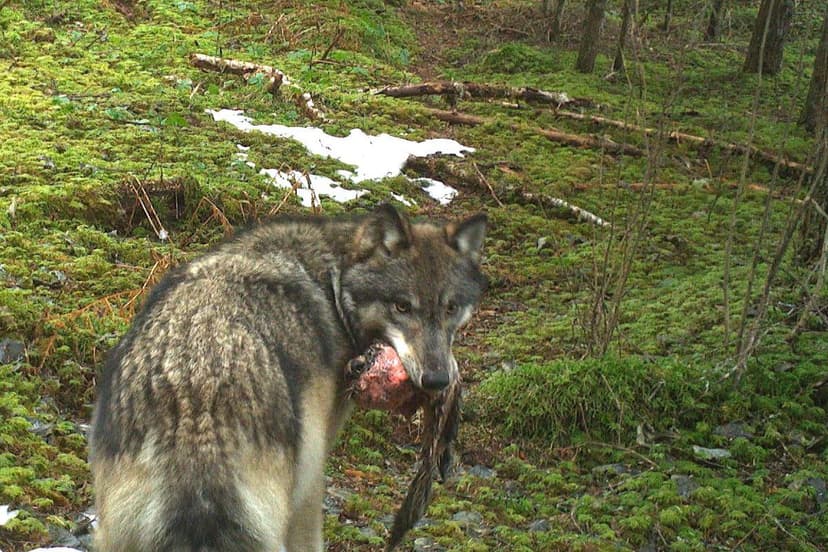
Alaska Wolves' Sea Otter Diet: A Toxic Surprise

In Alaska, a unique adaptation by Alexander Archipelago wolves has led to a dangerous health crisis. After their primary prey, deer, was depleted on Pleasant Island, wolves began consuming sea otters, which now constitute a significant portion of their diet, alongside fish and birds.

This shift in diet revealed a severe health issue, with wolves on Pleasant Island exhibiting mercury contamination levels 278 times greater than those on the mainland. One wolf was found deceased with the highest mercury concentration ever recorded in the species, prompting further investigation into the cause.

Scientists hypothesize that melting glaciers in the Gulf of Alaska are releasing mercury, which then enters the marine food web, concentrating in sea otters. This concerning trend suggests a widespread environmental problem affecting coastal ecosystems and the wildlife that relies on them.

trending

Chelsea beats West Ham 3-2

trending

Liverpool, Newcastle face injury woes

trending

WWE Royal Rumble in Riyadh

trending

Barcelona faces Elche in LaLiga

trending

Goretzka staying at Bayern Munich

trending

ICC T20 World Cup squads

trending

Gold, silver ETFs crashed

trending

Curran, Pandya T20Is stats compared

trending

Suryakumar Yadav T20I record

Disclaimer: This story has been auto-aggregated and auto-summarised by a computer program. This story has not been edited or created by the Feedzop team.
The wolves on Pleasant Island began eating sea otters after their primary food source, deer, was depleted.
Pleasant Island's wolves are suffering from severe mercury contamination due to their diet of sea otters.
Melting glaciers are suspected to release mercury into the sea, which then accumulates in sea otters and subsequently in the wolves that prey on them.

Read more news on

Environmentside-arrow

You may also like

Rare Arctic Wolf Encounter Captures Millions Online

29 Dec, 2025 • 191 reads

article image

Rescue Dog's Joyful Realization of Forever Home Caught on Camera

16 Dec, 2025 • 169 reads

article image

Alaska Wolves: Mercury's Toxic Path Revealed

27 Nov, 2025 • 285 reads

article image

Puffin Numbers Plummet on Farne Islands

26 Nov, 2025 • 294 reads

article image

Greek Bears Roam Free, Farmers Fear Livelihoods

21 Nov, 2025 • 316 reads

article image