

Home / Environment / Alaska's Permafrost Meltdown Reshapes Waterways
Alaska's Permafrost Meltdown Reshapes Waterways
2 Apr
Summary
- Permafrost thaw in Alaska is significantly altering river systems and waterways.
- Dissolved organic carbon from ancient permafrost is increasingly entering rivers.
- Thawing seasons are extending into late summer and fall, impacting ecosystems.
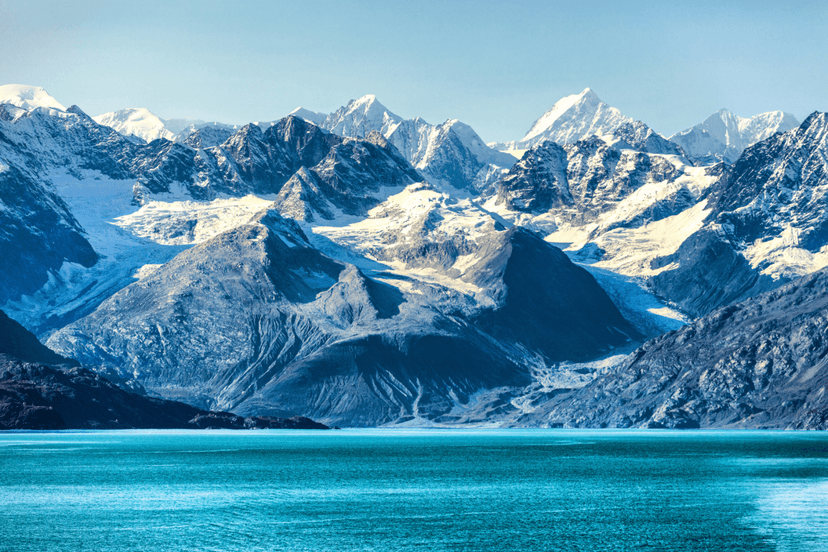
Alaska is undergoing significant environmental shifts as warming temperatures cause permafrost to thaw, altering its rivers and streams. A groundbreaking study led by the University of Massachusetts Amherst has examined the implications of this thawing on the state's waterways.
The research focused on Alaska's North Slope, analyzing 44 years of data to track changes in runoff and the movement of long-frozen carbon into rivers. This ancient carbon, released as dissolved organic carbon (DOC), is flowing towards the Arctic Ocean, which already receives a large proportion of global riverine DOC.
Scientists utilized the Permafrost Water Balance Model, enhanced to simulate DOC, to overcome sparse on-the-ground data. The model provides daily river flow and coastal export simulations from 1980 to 2023, offering unprecedented detail for an area the size of Wisconsin.
Key findings indicate sharp increases in carbon export from northwest Alaska, attributed to its flatter terrain and accumulated ancient carbon. Notably, permafrost thaw is now extending into September and October, a significant change from previous decades.
These extended thaw periods are likely altering the salinity, chemistry, and food webs of the Beaufort Sea. Further research is underway to understand how ice wedge polygonal patterns might influence water and carbon flow to coastal areas, emphasizing the need for more land-to-ocean connection studies to address global warming.

