Home / Environment / Alabama Refuge: A Tick Hotspot!
Alabama Refuge: A Tick Hotspot!
2 Sep
Summary
- Bon Secour National Wildlife Refuge is a tick hotspot.
- Warm weather, dense vegetation fuel tick populations.
- Lone Star ticks can transmit diseases and cause allergies.
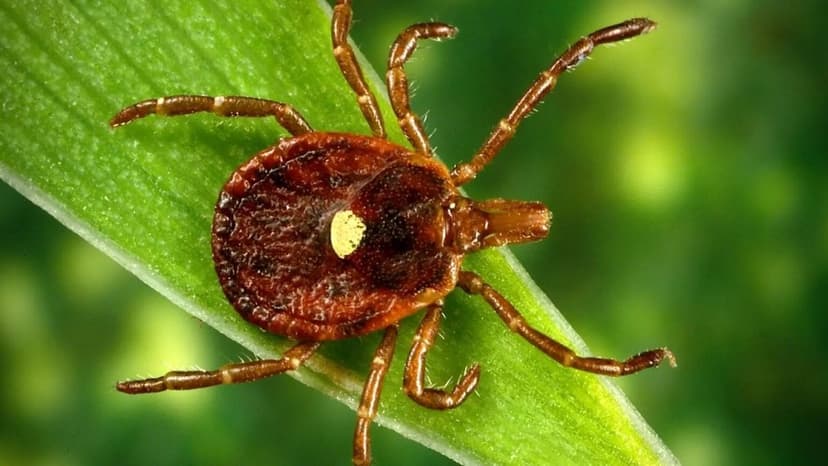
Bon Secour National Wildlife Refuge, a vast coastal sanctuary in Alabama, has been recognized as a significant tick-infested area. This distinction comes from World Atlas, highlighting the refuge's habitat as conducive to tick proliferation. The refuge spans over 7,000 acres, featuring diverse ecosystems from dunes to wetlands and forests.
These varied environments, combined with warm weather and ample wildlife hosts like deer and raccoons, create a perfect storm for tick populations. Hiking trails and wooded areas are particularly prone to tick encounters, posing a risk to visitors exploring the natural beauty.
The Lone Star tick is prevalent in Alabama and poses a notable concern. These ticks are aggressive feeders and can transmit serious illnesses such as ehrlichiosis and tularemia. Furthermore, they are associated with alpha-gal syndrome, a meat allergy developed after a bite.
To mitigate risks, visitors are advised to wear protective clothing, use EPA-registered repellents, and stay on marked trails. Thorough tick checks after outdoor activities are crucial, along with showering to remove any attached ticks. Six Gulf Coast locations were identified by World Atlas as tick hotspots.


