

Home / Environment / Health Gains Save Millions From Pollution Deaths
Health Gains Save Millions From Pollution Deaths
3 Apr
Summary
- Reducing vulnerability to air pollution saved 1.7 million lives in 2019.
- Global poverty reduction and healthcare access increased resilience.
- Socioeconomic factors significantly impact air pollution mortality rates.
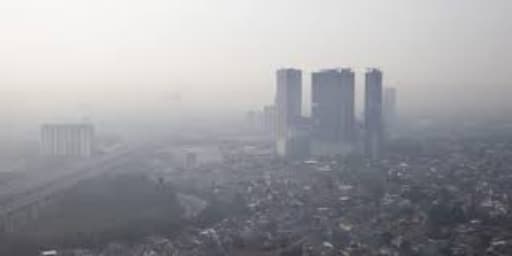
Significant advancements in global health, including reduced poverty and expanded healthcare access, have shielded millions from the lethal effects of air pollution. In 2019 alone, these improvements are credited with saving an estimated 1.7 million lives. While outdoor particle pollution contributed to 5.1 million early deaths that year, the concurrent rise in human resilience lessened the mortality rate.
Research indicates that Europe and North America saw notable decreases in air pollution between 1990 and 2019. However, Europe achieved a greater reduction in air pollution-attributable deaths due to more effective efforts in reducing vulnerability through social and healthcare factors. This highlights that the impact of cleaner air is amplified when paired with decreased vulnerability.
Further studies in the UK reveal that individuals with lower incomes face disproportionately higher risks from air pollution due to poorer health and reduced access to resources. As populations age globally, older adults remain particularly susceptible. Therefore, expanding quality medical care, promoting healthy lifestyles, and improving postnatal care are vital actions to maximize health benefits from pollution reduction efforts.
