Home / Environment / AC Saves Lives, But Fuels Climate Crisis
AC Saves Lives, But Fuels Climate Crisis
31 Aug
Summary
- Air conditioning saves over 5,000 lives annually in the U.S.
- Global AC energy demand is projected to triple by 2050.
- AC emissions could nearly match U.S. and Europe's carbon pollution.
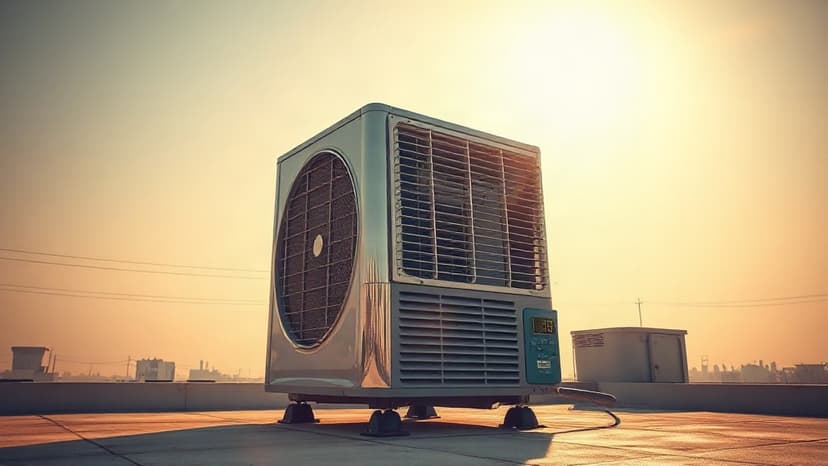
Air conditioning plays a critical role in saving lives, with an estimated 5,267 lives saved annually in the United States due to its use during extreme heat. This essential function, however, comes at a significant environmental cost. Global electricity demand for cooling is projected to triple, increasing the emission of heat-trapping gases.
By the early 2050s, these emissions from air conditioning could approach the combined current carbon pollution levels of the United States and Europe. This presents a significant challenge as the world warms, increasing the need for cooling while simultaneously exacerbating climate change.
In response to energy crunches and the climate crisis, some nations like Bangladesh and the Philippines have implemented limitations on air conditioning use. Experts are seeking a balance between reducing heat-related deaths and mitigating further global warming through comprehensive strategies.
Solutions being explored include more efficient cooling systems, urban greenery initiatives as seen in Singapore, and "smarter and more equitable cooling" approaches. These aim to ensure thermal comfort is not a luxury but a necessity for health and survival without worsening the climate crisis.


