


Home / Environment / Afro-Colombians Resist Plunder in Yurumanguí
Afro-Colombians Resist Plunder in Yurumanguí
10 Apr
Summary
- Annual river journey reunites Afro-Colombians for sacred Manacillos festival.
- Community faces threats from multinationals, armed groups, and narco-traffickers.
- Festival is a symbol of resistance and a plea for state presence.
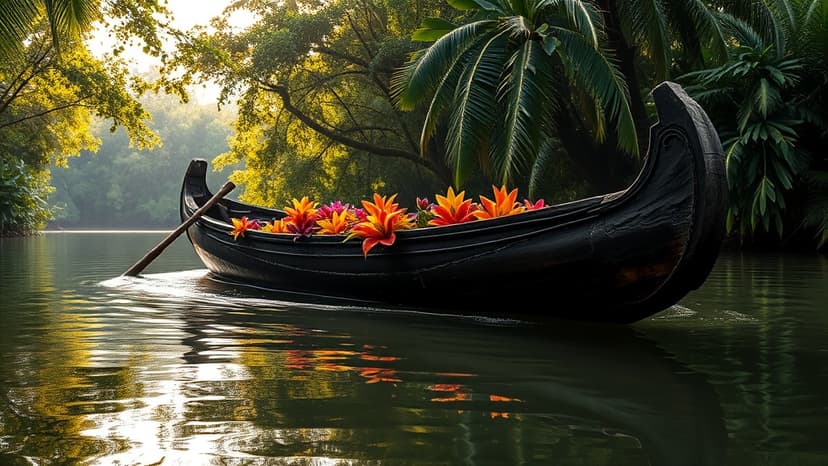
Each year, hundreds of Afro-Colombians undertake a perilous 12-hour journey by boat down the Yurumanguí River to participate in the sacred Manacillos festival in Juntas. This ritual is a vibrant testament to peace, resilience, and resistance for a community whose heritage dates back to enslaved Africans from the 17th to 19th centuries.
Despite the rich history and natural beauty of the Yurumanguí River Basin, approximately 4,000 inhabitants face significant challenges. Decades of economic instability, state neglect, and violence from armed groups have forced thousands to flee. Community leaders express deep concern over multinationals and armed factions exploiting their territory, threatening their unique way of life that has persisted for over 350 years.
The Manacillos festival, celebrated during Holy Week, begins with large family reunions in cities like Cali and Buenaventura, followed by the return to the ancestral lands. Streets are decorated with palm leaves, and handmade costumes are worn, with defiant slogans like "our territory is not for sale" painted on walls. For three nights, participants commit to resting, not working, and not sleeping.
A group of 40 men, known as the Manacillos, don masks and carry whips for a symbolic clash, enacting the first act of resistance. The celebration then transitions to traditional practices, songs of abundance, denunciations of violence, and calls for land protection, amplified by the rhythmic beat of drums.
Currently, the community is actively defending its territory against illegal loggers, gold miners, and narco-traffickers drawn by the river's access to the Pacific Ocean and its potential for coca cultivation. The defense of this land, considered the "backbone of a people," comes at a high cost.
In November 2021, two community leaders, Abencio Caicedo and Edinson Valencia, were kidnapped and disappeared, leading to two years of mourning and a pause in the festival. The event tentatively returned in 2024 and saw a significant increase in attendance last year, with an estimated 1,500 participants. Their disappearance, linked to their fight against illicit crops and illegal mining, is memorialized with a painting on the church wall stating, "We will die on the day we remain silent in the face of injustices."
Photographer Ever Andrés Mercado emphasizes the responsibility of documenting these events, highlighting the community's effort to tell their own stories and reclaim their narrative. This festival now serves as a living declaration of presence and a shield, ensuring that even those displaced can see the community's ongoing fight for its collective well-being, traditions, and existence.
