Home / Environment / Abalone: From Coastal Feast to Endangered Memory
Abalone: From Coastal Feast to Endangered Memory
5 Aug
Summary
- Indigenous tribes historically treasured abalone for food, tools, and ornaments.
- Overfishing, disease, and habitat loss have made wild abalone endangered.
- Farmed abalone offers a sustainable alternative to rare wild stocks.
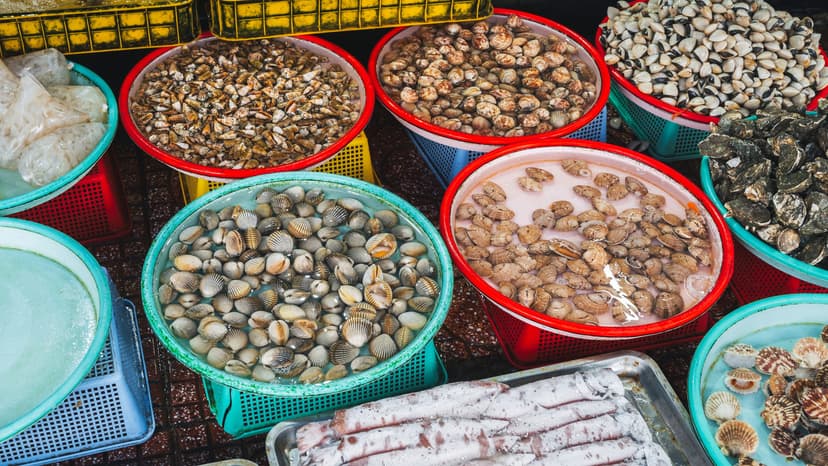
For generations, abalone sustained communities along the Pacific coast, cherished by Indigenous peoples for sustenance and adornment. Evidence of its historical abundance is found in ancient shell middens and art.
By the mid-20th century, wild abalone became a popular delicacy, especially in the U.S. However, escalating demand led to overfishing, habitat degradation, and disease. Poaching and environmental shifts further stressed populations, resulting in its current endangered status, with harvesting prohibited in the U.S.
Globally, abalone remains a prized food in East Asian cultures, with traditions like Japanese ama divers still harvesting it. In South Africa and Australia, regulated harvesting exists but faces poaching issues.
Farmed abalone now provides a legal, sustainable alternative. Raised in controlled environments, it mitigates wild population risks but offers a milder flavor and different texture compared to wild abalone.
Abalone's uncertain future reflects broader ocean challenges. Their survival is threatened by warming seas and kelp loss. The shimmering shells left behind serve as a poignant reminder of abundance now lost and the urgent need for environmental action.


