Home / Environment / London Sewers: 100-Tonne Fatberg Surfaces Near Whitechapel
London Sewers: 100-Tonne Fatberg Surfaces Near Whitechapel
23 Dec, 2025
Summary
- A 100-tonne fatberg was discovered beneath Whitechapel's sewers.
- The blockage is composed of solidified fat, oil, grease, and wipes.
- Clearing the fatberg is expected to take weeks, costing millions.

A massive 100-tonne fatberg has been discovered lurking beneath the sewers of Whitechapel in east London. This disgusting formation of congealed fat, oil, grease, and wet wipes is comparable in nature to a previous, larger blockage found eight years ago. The timing of this discovery is particularly inconvenient, occurring just before the Christmas and New Year period when household waste significantly increases.
Tim Davies, head of waste operations for North London at Thames Water, stated that the removal process for this significant blockage could extend for "weeks to complete." He emphasized that such occurrences, often caused by fats, oils, and wipes entering the sewage system, do not simply disappear but accumulate and cause substantial damage. The annual cost to clear blockages and repair sewer infrastructure amounts to tens of millions of pounds, ultimately borne by customers.
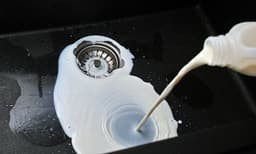
Thames Water has issued advisories, urging the public to avoid pouring liquid foods like gravy down sinks, to scrape food scraps from dishes, and to use plughole strainers. This situation is exacerbated by recent findings that "biodegradable" wet wipes may persist in the environment for extended periods, with some studies showing they can remain in water for over five weeks. Flushing these items contributes to sewer blockages, leading to the formation of these enormous, problematic fatbergs.