Home / Education / Women Rabbis Shatter Ceilings, Reshape Judaism
Women Rabbis Shatter Ceilings, Reshape Judaism
1 Feb
Summary
- Women now form a majority in non-Orthodox rabbinical schools.
- Diverse backgrounds enrich the rabbinate, challenging old norms.
- Burnout is a significant challenge for modern rabbis.
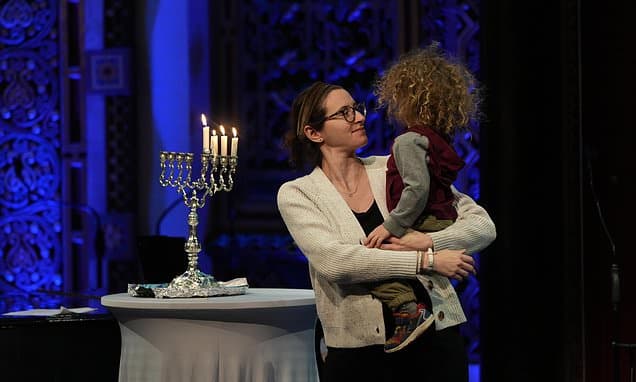
The landscape of the Jewish rabbinate in the U.S. is rapidly diversifying, with a notable increase in women and LGBTQ+ individuals pursuing spiritual leadership roles. Once a rarity, women now form the majority in non-Orthodox rabbinical schools, signaling a profound shift in the tradition. Pioneers from the 1970s, like Rabbi Laura Geller, reflect on the progress made in breaking down gender barriers within the Reform Movement.
Research by Atra: Center for Rabbinic Innovation highlights this trend, noting a rise in Jews of color and interfaith backgrounds among rabbis. While men still form the majority of the non-Ultra Orthodox rabbinate, women are a substantial minority. This growing diversity enriches Jewish communities but also presents challenges, as institutions adapt to new leadership styles and the demands on rabbis intensify.
Modern rabbinical students, such as Sarah Livschitz and Sarah Rockford, find their paths more accessible due to the groundwork laid by earlier generations. They express optimism about a future where diverse voices lead Jewish communities. However, the role remains demanding, with issues like burnout, emotional exhaustion, and navigating societal tensions being significant concerns for contemporary rabbis.