Home / Education / Student Loans: A New PPI Scandal Brewing?
Student Loans: A New PPI Scandal Brewing?
2 Jun
Summary
- Student loan repayment terms are likened to the PPI scandal.
- Plan 2 loan repayment thresholds have been frozen for years.
- Critics argue terms were not properly explained to graduates.
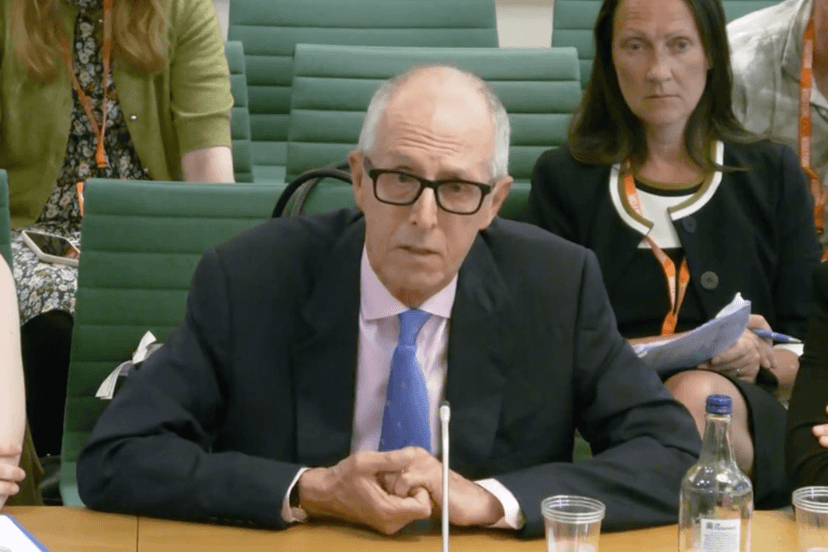
Student loan repayment terms are being compared to the Payment Protection Insurance (PPI) scandal, with former government review chair Sir Phillip Augar describing the situation as a "moral issue." Augar, giving evidence to the Commons Treasury Committee, shared the "outrage" felt by graduates due to changes in Plan 2 loan repayment thresholds. These loans apply to undergraduate and PGCE courses taken out since September 2012 in Wales and between September 2012 and July 2023 in England.
The freezing of repayment thresholds means graduates will be caught by higher repayment bands as their salaries increase with inflation. Augar suggested that if a bank altered loan terms similarly, the Financial Conduct Authority (FCA) would likely intervene, drawing parallels to the PPI scandal where lenders paid over £38 billion in compensation. He argued that the government has a "duty of customer care" to young people making significant financial decisions.
However, Vivienne Stern, CEO of Universities UK, expressed doubt about the FCA's suitability for regulating student loans, as they are not commercial products. Meanwhile, Kate Ogden of the Institute for Fiscal Studies highlighted recent freezes in both repayment and interest rate thresholds as "tinkering of terms," noting the interest rate change was not publicly disclosed.
Recent government measures include capping interest on Plan 2 loans at 6% from September to mitigate rising RPI inflation, a response to criticism. The repayment threshold will remain frozen at £29,385 from April 2027. These changes, including a previous freeze announced in 2022, are projected to cost graduates earning £40,000 or more significantly more over time, with lower and middle earners disproportionately affected.
These financial concerns coincide with a notable slump in public confidence regarding the value of university education, according to the British Social Attitudes (BSA) survey. A record 34% now believe university is not worth the time and money, up from 15% in 2005. Confidence in graduates being better off in the long run has also fallen from 50% to 36%. The situation is exacerbated by reduced graduate job opportunities, with 700,000 graduates reportedly out of work and receiving benefits.


