Home / Education / Budget vs. Nutrition: Schools Wrestle with New Food Standards
Budget vs. Nutrition: Schools Wrestle with New Food Standards
14 May
Summary
- New federal guidelines prioritize nutrient-dense protein, challenging school meal programs.
- Schools face budget constraints and reliance on processed foods for protein.
- Funding cuts to local food programs may hinder efforts to serve fresh meals.
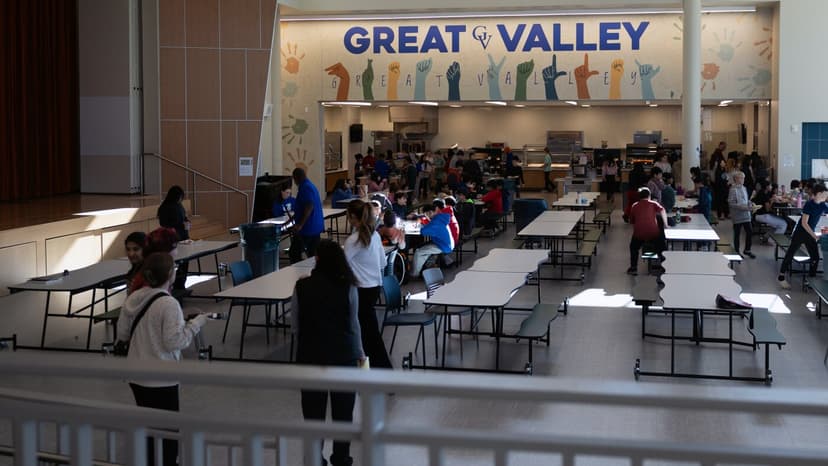
Schools across the U.S. are facing pressure to adapt to new national dietary guidelines promoting high-quality, nutrient-dense protein. These updated standards, announced in January, challenge many districts that rely on processed foods due to budget and labor limitations. Protein, already an expensive ingredient, becomes a focal point of concern as districts operate on federal reimbursement rates that many find insufficient.
Further complicating matters, recent funding cuts have impacted programs that allowed schools to purchase local produce and meats. The cessation of initiatives like the Local Food for Schools Cooperative Agreement Program eliminates crucial financial avenues for procuring fresh, minimally processed ingredients. This shift makes it harder for schools to move away from highly processed items like chicken nuggets, which often contain numerous ingredients.
Despite these hurdles, some districts are innovating. Great Valley School District, for instance, has hired a culinary coordinator to focus on fresh ingredients and scratch cooking. Student demand for more appealing and 'TikTok-worthy' meals is also a driving force. The success of these efforts, however, remains largely dependent on adequate federal and state funding, with many nutrition directors expressing significant concerns about the long-term financial sustainability of their programs.


