Home / Education / Schools Turn Lunch Waste Into Classroom Lessons
Schools Turn Lunch Waste Into Classroom Lessons
6 Nov
Summary
- Students collect food scraps for composting and share unopened items.
- Waste reduction efforts cut food waste by nearly one third.
- Schools are empowering students to be part of environmental solutions.
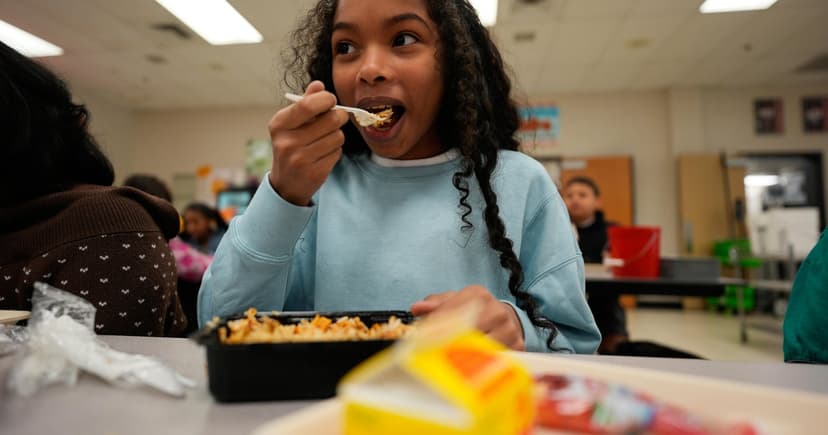
Lovin Elementary in Lawrenceville, Georgia, exemplifies a growing trend of U.S. schools tackling cafeteria food waste through innovative programs. Students actively participate by collecting food scraps for composting and utilizing share tables for unopened items like milk, with leftovers sometimes stocking the school's food pantry.
This hands-on approach, initially funded by the World Wildlife Fund's Food Waste Warriors program, has led to significant waste reduction. Lovin Elementary saw its food waste drop by nearly one third after implementing student-led initiatives like waste audits and educational campaigns. The school now composts approximately 100 pounds of produce waste weekly and collects around 100 share table items per lunch.
Other districts, like Baltimore City Public Schools, are also making strides. Their programs include share tables, composting, and a large learning farm that educates students about food production and resource conservation. These efforts aim to empower students with environmental solutions.
Despite challenges such as budget constraints and federal regulations, schools are finding success by involving students in the process. These programs highlight how cafeterias can become extensions of the classroom, fostering learning and environmental responsibility.


