Home / Education / India's First Teacher Fought Foes With Saries
India's First Teacher Fought Foes With Saries
10 Mar
Summary
- She is remembered as India's first female teacher.
- Savitribai championed education for marginalized girls.
- She faced severe opposition and threats daily.
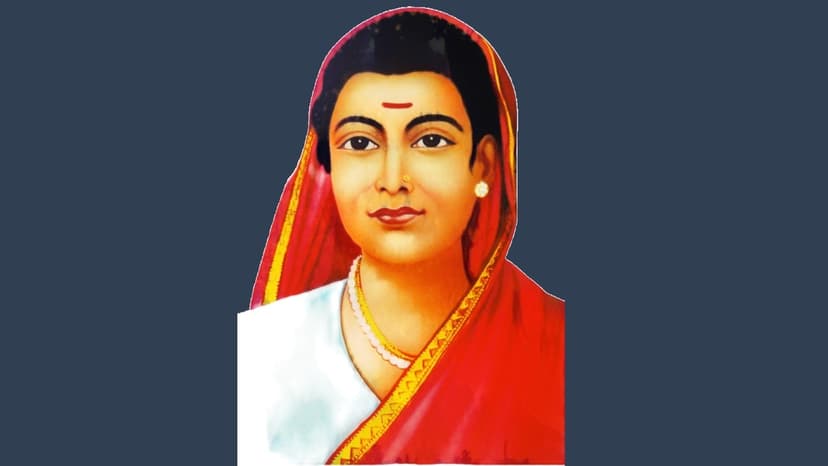
Savitribai Phule, recognized as India's first female teacher, is commemorated on her death anniversary, March 10th. In 19th-century India, formal education was a privilege of upper-caste men, with girls from marginalized communities largely excluded. Savitribai, alongside her husband Jyotirao Phule, became a pivotal figure in the women's education movement.
Her journey began with home-based learning, followed by formal teacher training. In 1848, they established one of India's earliest girls' schools at Bhide Wada in Pune. This revolutionary initiative welcomed girls from diverse backgrounds, including the Mahar and Mang castes, directly challenging caste-based educational barriers. By 1851, their efforts expanded to several schools.
Phule faced intense societal opposition, with reports of her being pelted with stones and mud daily. Undeterred, she continued her mission, reportedly carrying an extra sari for school. Beyond teaching, she co-founded Balhatya Pratibandhak Griha in 1863, a shelter for widows and to prevent female infanticide.
An accomplished writer, her poetry collections like "Kavya Phule" inspired social change. She actively participated in the Satyashodhak Samaj, advocating for social equality. During the 1897 plague, she selflessly aided the sick, contracting the disease and passing away on March 10, 1897. Her unwavering commitment to education and equality cemented her enduring legacy.