
Home / Education / Fingers Become Eyes: Child's Triumph Over Sensory Barriers
Fingers Become Eyes: Child's Triumph Over Sensory Barriers
2 May
Summary
- Children learn through touch, feeling objects for shape and size.
- Neuroplasticity strengthens the brain to use touch and memory better.
- Teachers use Braille and special devices to aid learning step-by-step.
The remarkable academic achievement of Sarah Moin, a blind, speech, and hearing-impaired student who scored 98.7% in her ISC exams, highlights an extraordinary learning process. Children like Sarah navigate the world using their sense of touch, which effectively serves as their eyes, ears, and voice. They grasp concepts by feeling objects, understanding their shapes and sizes.
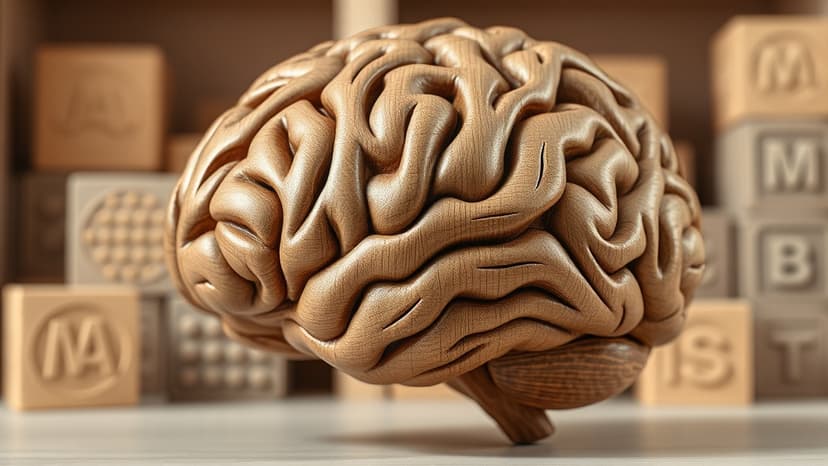
Neurologists explain this phenomenon through neuroplasticity, where the brain enhances its use of touch and memory when sight or hearing is absent. These children construct mental maps of their surroundings using tactile information, recalling spaces by counting steps or identifying familiar people through touch and vibrations. Teachers are instrumental, guiding learning through Braille, specialized devices, and a methodical approach from letters to complex ideas.
Inspiring figures like Helen Keller and Haben Girma demonstrate that with proper support, individuals with sensory impairments can achieve significant success. Experts emphasize that these children experience emotions like everyone else, expressing them differently. Their ability to understand patterns traced on their skin and respond accordingly showcases their unique cognitive strengths.
