Home / Education / Late Diagnosis: Japanese Students Struggle with Hidden Disabilities
Late Diagnosis: Japanese Students Struggle with Hidden Disabilities
28 Nov
Summary
- University students with developmental disabilities in Japan have quintupled in a decade.
- Many conditions are identified late, surfacing during transitions to higher education.
- University support rooms offer testing and accommodations for students facing challenges.
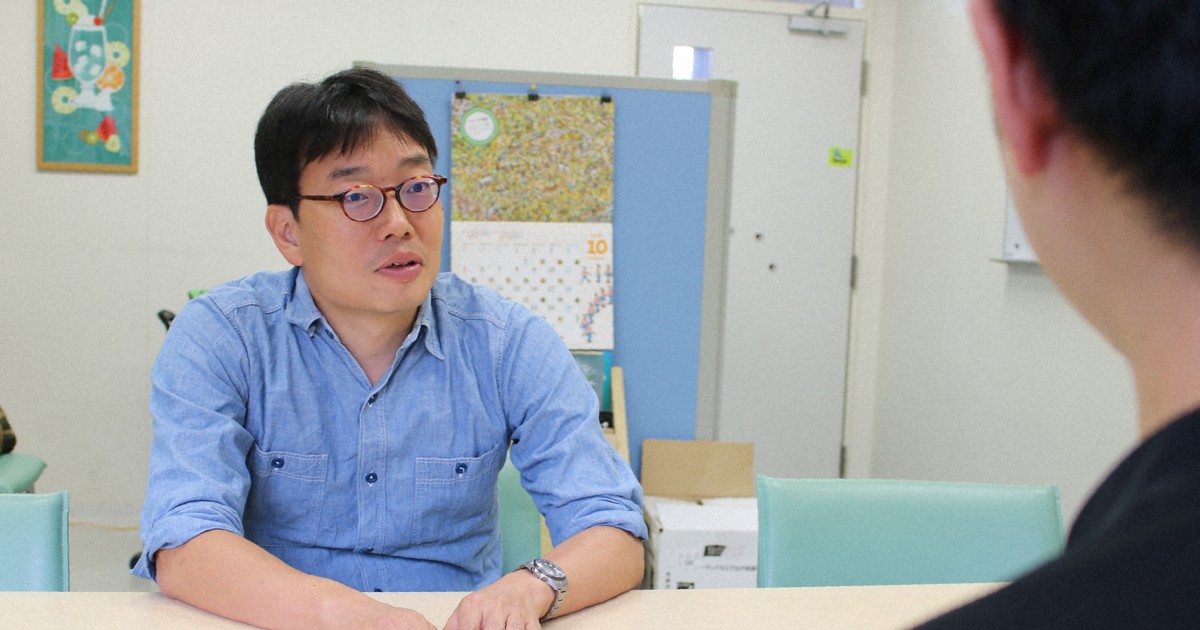
The enrollment of students with developmental disabilities in Japanese higher education institutions has seen a dramatic fivefold increase over the past decade. These conditions, stemming from congenital brain function disorders affecting social interaction, are frequently diagnosed late. Many students, like Kenta, a graduate student at Saga University, only realize their struggles when facing the academic demands of university life, often after their transition from high school.
Kenta experienced significant academic difficulties during his first year, missing assignments and struggling with online coursework. Upon resuming in-person classes, he found himself unable to attend, facing the prospect of repeating a year. His mother's intervention led him to the university's campus life support room, a dedicated center offering counseling and reasonable accommodations for students with disabilities.