Home / Education / Inaccessible Toilets Plague Indian Schools
Inaccessible Toilets Plague Indian Schools
23 Oct
Summary
- Less than 40% of Indian schools have functional disabled toilets.
- Ramps with handrails are available in only 58.2% of schools.
- States like Delhi and Tamil Nadu lead in accessibility, while Meghalaya lags.
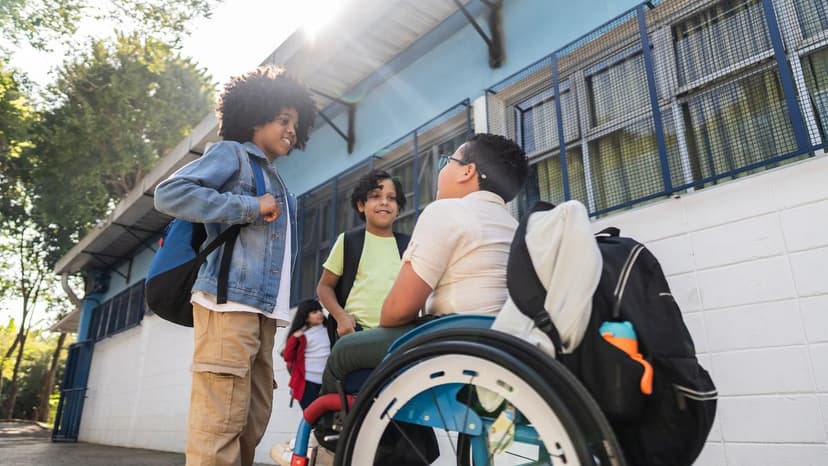
India's progress in school sanitation has achieved near-universal coverage for girls' toilets. However, a stark contrast emerges regarding facilities for children with special needs (CWSN).
As of October 2026, less than 40% of Indian schools possess a functional toilet accessible to children with disabilities. This leaves over 900,000 schools without such essential facilities.
While ramps are more common, with nearly 80% of schools having them, only 58.2% include handrails, compromising safety. This incomplete accessibility prevents many of the 2.2 million CWSN students from fully participating in education.
State-level disparities are significant. Delhi, Dadra & Nagar Haveli, and Daman & Diu report high CWSN toilet functionality, while Meghalaya, Jharkhand, and Jammu & Kashmir show rates below 10%.
Building accessible toilets is more complex and costly than ramps. This difficulty appears to be a key reason for the slower progress in providing these facilities.
Data indicates a concerning decline in CWSN enrollment at higher secondary levels, possibly linked to inadequate basic facilities. Girls with disabilities face compounded challenges, requiring both privacy and accessible sanitation.
The Rights of Persons with Disabilities Act, 2016, mandates accessibility, yet progress remains slow. Strengthening national targets, consistent funding, and rigorous monitoring are crucial for improving CWSN toilet access, prioritizing states with the greatest need and ensuring toilets meet accessibility standards.


