Home / Education / India's Supreme Court Fights Period Poverty in Schools
India's Supreme Court Fights Period Poverty in Schools
6 Mar
Summary
- Court mandates gender-segregated toilets with free menstrual pads.
- Non-availability of menstrual hygiene violates girls' rights.
- Sensitization programs on menstruation mandated for all students.
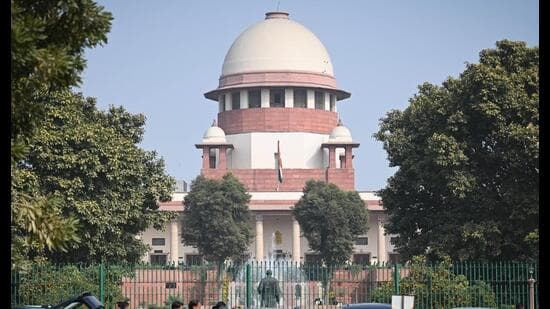
A significant Supreme Court ruling in India, stemming from the Dr. Jaya Thakur v. Government of India case, has declared that insufficient menstrual hygiene management (MHM) facilities in schools infringe upon girls' fundamental rights. The court recognized that the absence of menstrual absorbents, appropriate toilets, and awareness programs violates the rights to health and dignity under Article 21 and constitutes gender discrimination under Article 14.
The judgment mandates that all states and Union Territories ensure functional, gender-segregated toilets equipped with free menstrual pads and safe sanitary waste disposal. This directive aims to address the substantial disadvantage faced by menstruating girls, who encounter physical discomfort, financial burdens, and social stigma, impacting their right to education.
Furthermore, the Court ordered mandatory gender-responsive education on menstruation for all students, including boys, to dismantle stigma and foster empathy. This move is crucial given past awareness gaps and societal attitudes that often deem menstruation 'dirty.' The ruling extends MHM into a public issue, promoting reproductive justice and ensuring that the societal burden of menstruation is shared, thereby advancing educational equality for girls.