Home / Education / School Cafeterias Serve Processed Food Over Nutrition
School Cafeterias Serve Processed Food Over Nutrition
21 Mar
Summary
- Over 60% of a child's typical diet consists of ultraprocessed foods.
- School food systems are designed for reheating, not fresh cooking.
- Advocating for change requires partnership, not confrontation.
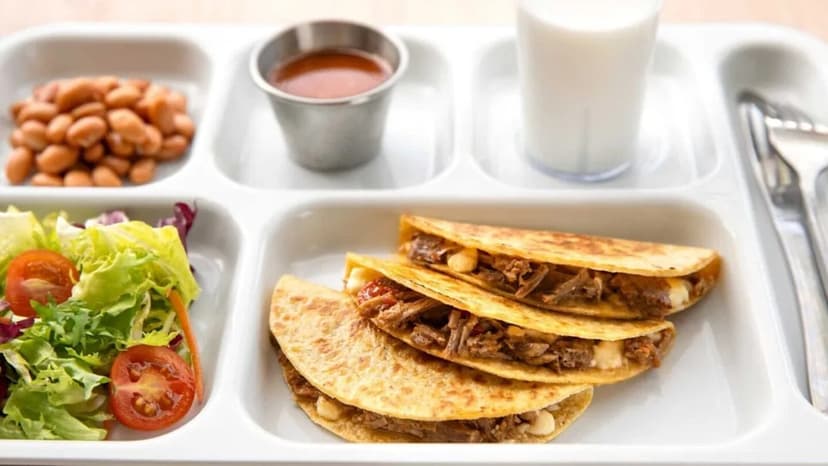
More than 60% of a typical child's diet now consists of ultraprocessed foods, raising concerns about their school meals. These meals often feature highly processed items due to systemic limitations, not a lack of care from food service professionals. The federal reimbursement of $4.60 per lunch must cover all operational costs, and most school kitchens are equipped for reheating, not scratch cooking.
Districts embracing scratch cooking with whole ingredients are witnessing positive changes. For instance, Dryden Central School District in New York saw significant increases in meal participation after transitioning to homemade items like French toast casserole and baked ziti. This cyclical success demonstrates that better-tasting food encourages higher consumption, leading to increased revenue that can fund further improvements.
While federal guidelines now recommend avoiding highly processed foods, funding cuts and outdated infrastructure present significant hurdles. Experts emphasize that addressing root issues like kitchen facilities, staff training, and reimbursement rates is crucial. Parents can advocate for change by engaging collaboratively with school food directors, seeking to understand their challenges and offering support.
Effective advocacy involves building partnerships with school food professionals, rather than confrontational demands. For those interested in learning more, a free panel discussion is scheduled for April 8 at 1 p.m. ET, hosted by the Chef Ann Foundation, to guide parents on improving school food quality.