Home / Education / Himalayan Glaciers Melt: GLOF Risks Soar
Himalayan Glaciers Melt: GLOF Risks Soar
25 Jul
Summary
- Indus River precipitation declined by 20% since 1951.
- Glacial lakes expand, increasing GLOF risks in Himalayas.
- Climate change alters monsoon and western disturbances.
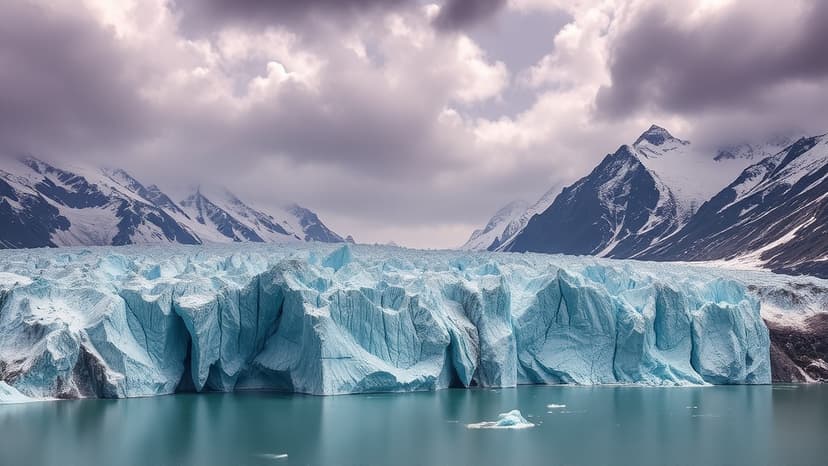
Precipitation in the eastern Indus River sub-basins has declined by approximately 20% since 1951, indicating a major hydrological shift driven by climate change. Rising global temperatures accelerate the water cycle, impacting moisture transport and distribution across the basin.
The frequency and intensity of western disturbances, a key source of winter precipitation, are changing. This, along with increased monsoon variability, contributes to reduced rainfall in certain areas. Melting glaciers also alter seasonal water supply, further impacting the basin's equilibrium.
In the Indian Himalayas, accelerating glacier retreat is fueling the formation and expansion of glacial lakes. These expanding lakes, often dammed by unstable moraines, pose a significant risk of Glacial Lake Outburst Floods (GLOFs).
Factors like steep terrain, tectonic activity, and the sheer volume of water in larger lakes exacerbate GLOF risks. These events are reshaping the region's physical geography and increasing disaster potential for downstream communities.


