Home / Disasters and Accidents / Turbulence Trauma: Beyond Bruises
Turbulence Trauma: Beyond Bruises
6 Aug
Summary
- Severe turbulence can cause lasting psychological distress and physical injuries.
- Passengers may develop acute stress disorder or PTSD after an incident.
- Hidden injuries like ligament tears may worsen over 24-48 hours.
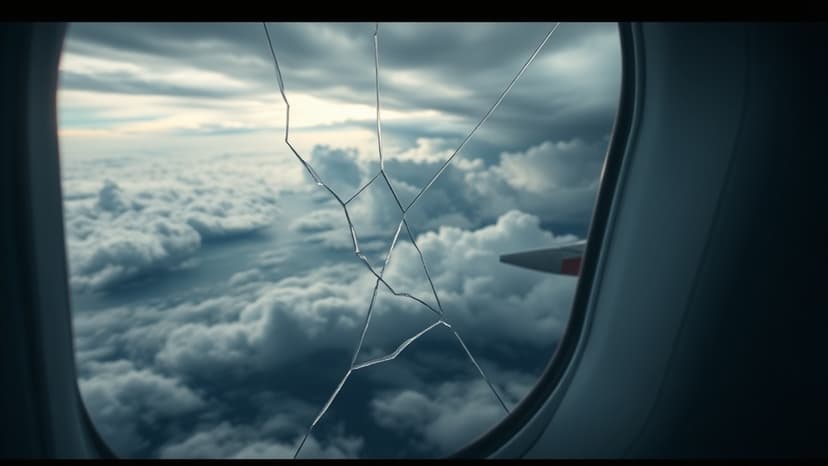
An Air India flight from Phuket to Delhi recently experienced severe turbulence, dropping nearly 300 feet and causing injuries to at least 14 passengers and crew. The Directorate General of Civil Aviation (DGCA) has initiated an investigation into the incident.
Beyond immediate physical harm, experts emphasize the significant psychological consequences. Psychiatrists note that passengers may experience persistent fear, anxiety, sleep disturbances, and heightened alertness. The experience can trigger Acute Stress Disorder within days, potentially developing into Post-Traumatic Stress Disorder (PTSD) if symptoms persist for over a month.
Orthopedic specialists caution that injuries sustained during turbulence, such as bruises, ligament damage, or spinal injuries, might not be immediately apparent. Soft tissue injuries and mild concussions can take hours to manifest, with pain and swelling often intensifying over the next 24 to 48 hours. They advise medical evaluation for any blows to the head, neck, or back.
Experts recommend that individuals developing a fear of flying after such events seek support. Gradual exposure to flying, counseling, relaxation techniques, and traveling with a companion can help restore confidence and a sense of safety.


