Home / Disasters and Accidents / Cyclone Ditwah: Sri Lanka's IMF Deal Under Fire
Cyclone Ditwah: Sri Lanka's IMF Deal Under Fire
10 Dec
Summary
- Cyclone Ditwah caused at least 638 deaths and millions affected.
- Critics demand renegotiation of the IMF program due to austerity.
- The IMF program restricts vital government spending for recovery.
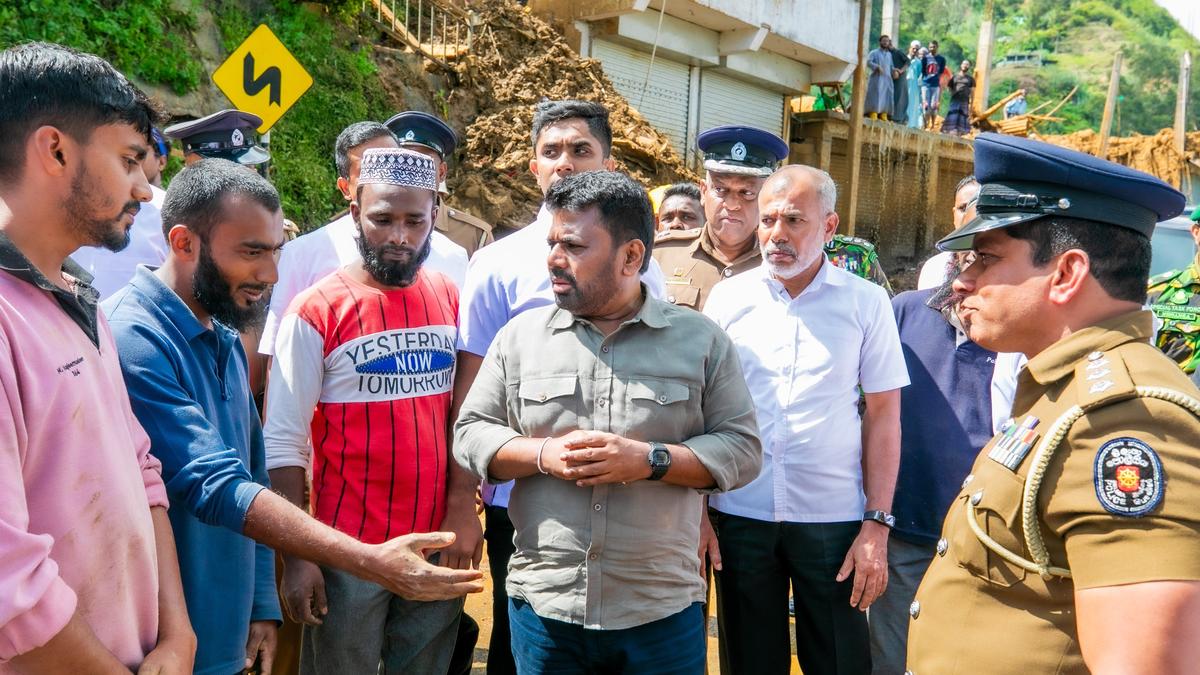
Cyclone Ditwah has left Sri Lanka reeling, with at least 638 confirmed deaths and millions affected by its devastating floods and landslides. This climate disaster has severely impacted the nation's fragile economic recovery, prompting widespread demands to renegotiate the International Monetary Fund (IMF) program. Critics argue that the IMF's austerity measures, including tax hikes and subsidy cuts, are exacerbating the hardships faced by the population.
Over 70 civil society groups have called for an urgent revision of Sri Lanka's debt restructuring and IMF deal. They contend that the IMF's oversight on government spending critically limits the ability to respond to humanitarian needs, invest in infrastructure, and adapt to climate change impacts. This pressure mounts as the country faces over $2 billion in debt servicing in 2026.
While President Dissanayake acknowledges the unprecedented scale of the disaster and the need for changes in debt sustainability frameworks for climate-vulnerable nations, the government has also sought emergency financing from the IMF. This situation highlights the complex challenge of balancing recovery efforts with international financial obligations.