Home / Disasters and Accidents / Australia Debates Shark Nets After Fatal Attacks
Australia Debates Shark Nets After Fatal Attacks
3 Dec, 2025
Summary
- Shark nets have been used in New South Wales since 1937.
- Nets catch sharks and non-target marine life, with low survival rates.
- Newer methods like drones and smart drumlines offer targeted protection.
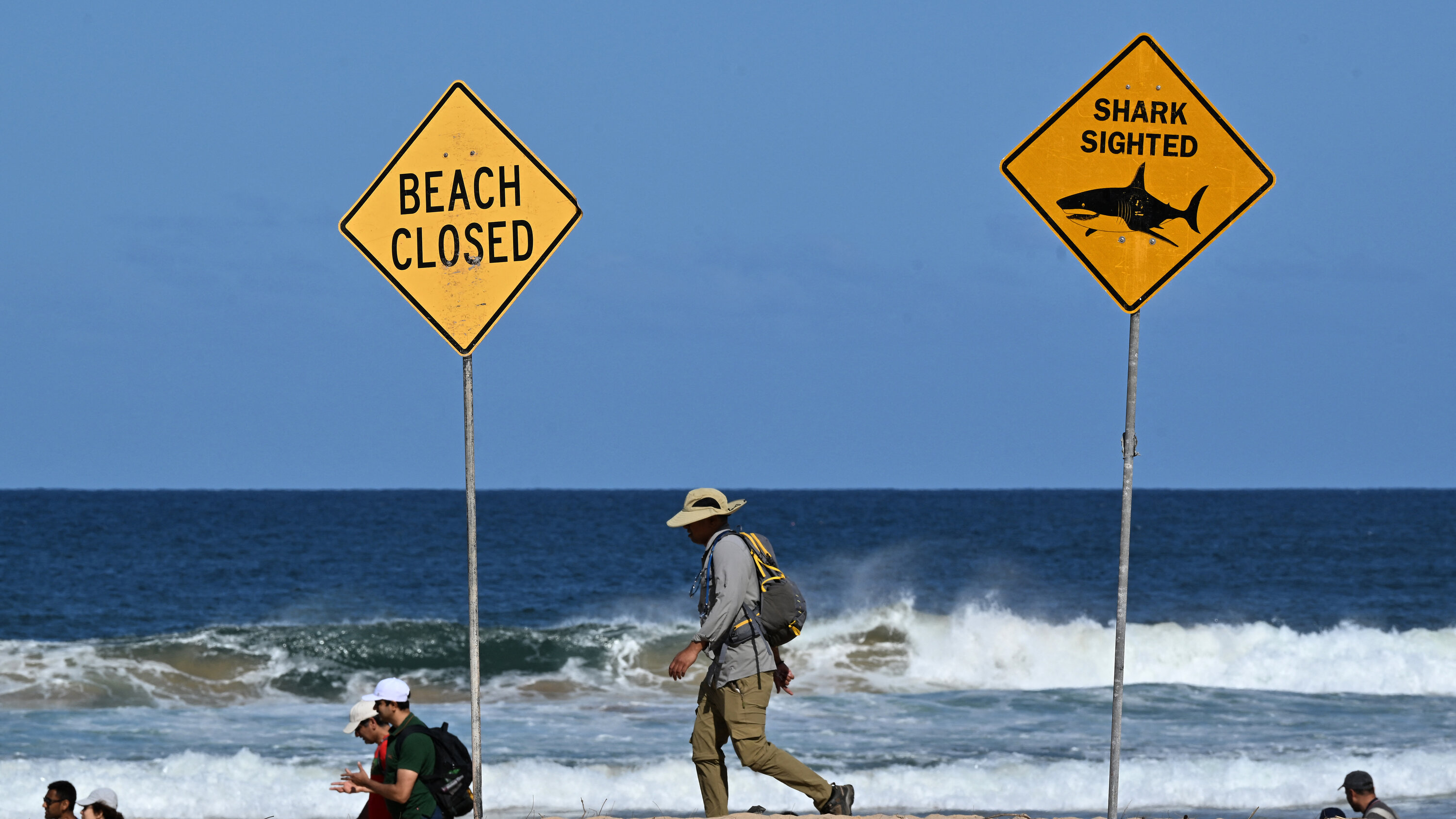
Shark nets, a long-standing method of beach protection in New South Wales, Australia, are facing renewed scrutiny following recent fatal shark attacks. Introduced in 1937, these nets are intended to reduce shark encounters, but their efficacy and impact on marine ecosystems are heavily debated. Experts point out that sharks can swim around the nets, and their primary function is to trap and kill, often ensnaring numerous non-target marine creatures annually, with a low survival rate for all caught animals.
While shark nets may have contributed to a historical decline in shark attacks by reducing local shark populations, other factors like improved sewage management have also played a role. Furthermore, recent data shows an increase in shark bites since 2016, a trend scientists attribute to a complex mix of factors including population growth and climate change. A 2024 study found no significant difference in shark bites between netted and unnetted beaches in Sydney since 2000, complicating assessments of the nets' true effectiveness.