Home / Disasters and Accidents / San Ramon Quake Swarms: Scientists Downplay 'Big One' Fears
San Ramon Quake Swarms: Scientists Downplay 'Big One' Fears
16 Dec
Summary
- San Ramon experiences frequent earthquake swarms due to complex, fluid-filled fault geometry.
- USGS scientists state swarms do not indicate an impending major earthquake.
- A 72% chance exists for a M6.7 or larger quake in the Bay Area by 2043.
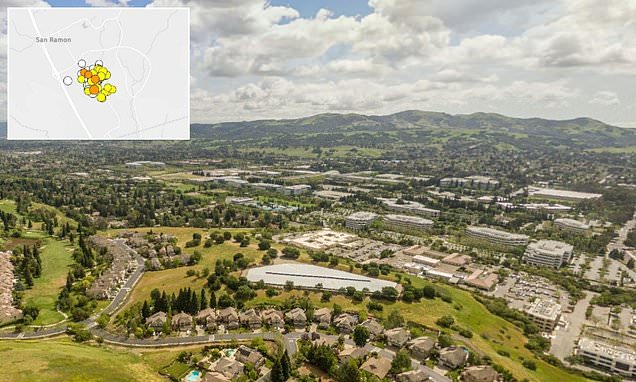
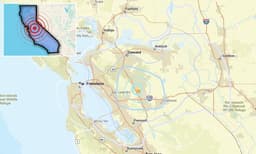
San Ramon, California, has been subjected to multiple earthquake swarms in recent days, with a 3.1-magnitude tremor occurring early Tuesday morning near the epicenter of the recent seismic activity. This event followed dozens of smaller quakes over the past week, contributing to a significant number of tremors in the area over the last two months. Despite public concern that the uptick signals a larger event, seismologists emphasize that these smaller earthquakes are not indicative of an imminent major quake.
The seismic activity is attributed to the complex geological structure of the Calaveras Fault, where San Ramon is situated. This fault system features numerous interconnected, fluid-filled cracks that can destabilize rock and trigger clusters of minor earthquakes. Scientists note that similar swarms have occurred in the region historically, with no major earthquakes following. The unique geometry of the fault system, unlike cleaner fault lines, is believed to facilitate these recurring swarm events.