Home / Disasters and Accidents / Glacier Collapse Triggers Devastating Nepal Flood
Glacier Collapse Triggers Devastating Nepal Flood
27 Aug
Summary
- Glacier collapse near Nepal-Tibet border caused a destructive flood.
- Expert warns against building near rivers, citing traditional wisdom.
- Warming climate increases risks of ice avalanches and flash floods.
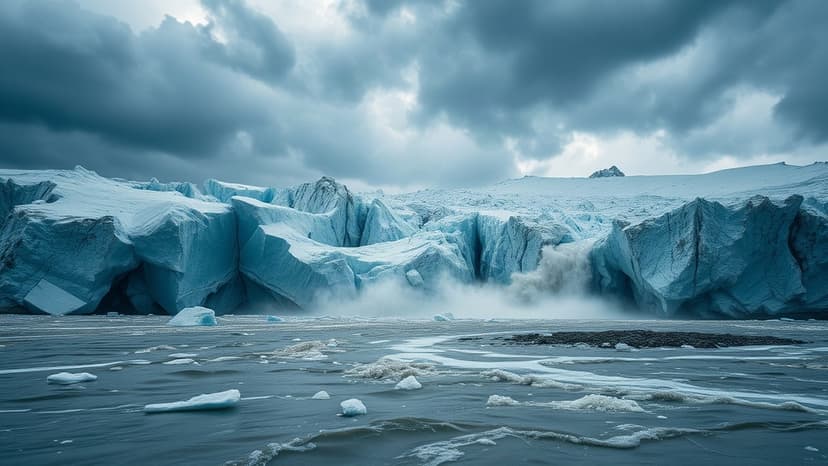
A recent glacier collapse near the Nepal-Tibet border triggered a catastrophic flash flood in Nepal's Rasuwa region. The event, described as a compound disaster possibly involving an ice and rock avalanche, has caused extensive damage to homes, bridges, and hydropower projects.
Dr. Mohd. Farooq Azam, a cryosphere expert, highlighted that traditional mountain communities historically built homes at higher altitudes for safety. However, rapid development has led to increased construction near riverbanks and floodplains, making settlements highly vulnerable.
Scientists attribute the growing frequency of such events to climate change, noting that the Himalayas are warming faster than the global average. This phenomenon increases the instability of glaciers and frozen slopes, raising the likelihood of ice avalanches and subsequent floods.
Azam also cautioned about secondary disasters, stating that weakened slopes can lead to subsequent landslides even after floodwaters recede. Nepalese authorities have advised residents to stay clear of riverbanks, emphasizing the need for smarter land-use policies across the Himalayas to account for geological and climatic hazards.


