Home / Disasters and Accidents / Nepal Floods: Bodies Buried Before Identification
Nepal Floods: Bodies Buried Before Identification
31 Aug
Summary
- Temporary graves used for over 150 unidentified flood victims.
- Disaster response accused of ignoring Hindu cremation traditions.
- Landslides hinder body transport and aid delivery to Chitwan.
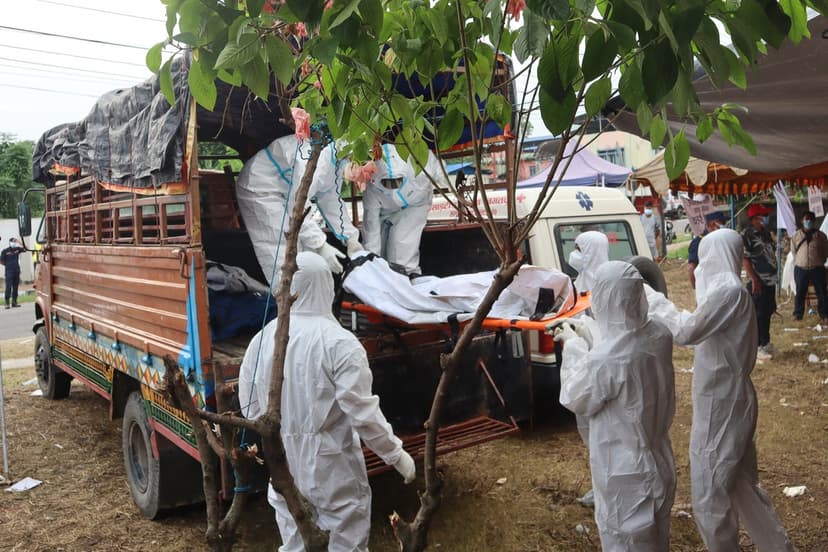
Devastating flash floods in Nepal's Himalayan region have led authorities in Chitwan district to resort to temporary burials for an estimated 150 unidentified victims. The sheer scale of the disaster, which claimed at least 800 lives and left over 3,000 missing across Nepal and Tibet, has overwhelmed identification efforts. Bodies, carried hundreds of kilometers downstream, are decomposing rapidly due to high humidity and heat, prompting health concerns.
This emergency measure has drawn criticism, particularly from those adhering to Hindu traditions, which require cremation. Families and public figures question the haste of the burials, emphasizing the cultural importance of proper funeral rites. Officials maintain these are temporary measures, with DNA samples and identifying details recorded to allow future identification and exhumation for traditional ceremonies.
Compounding the crisis, fresh landslides on August 31, 2026, have closed the main highway linking Kathmandu and Chitwan. This disruption severely hampers efforts to transport the remaining bodies, deliver essential relief supplies, and access the affected areas. Authorities state the temporary burials align with international disaster management protocols.


