Home / Disasters and Accidents / Mumbai Drowning: City's Water Woes Escalate
Mumbai Drowning: City's Water Woes Escalate
7 Jul
Summary
- Relentless rain caused flooding, claiming at least seven lives in five days.
- Mumbai's reclaimed land and disrupted water channels exacerbate flood risks.
- Blue-green infrastructure is a niche concept in India, including Mumbai.
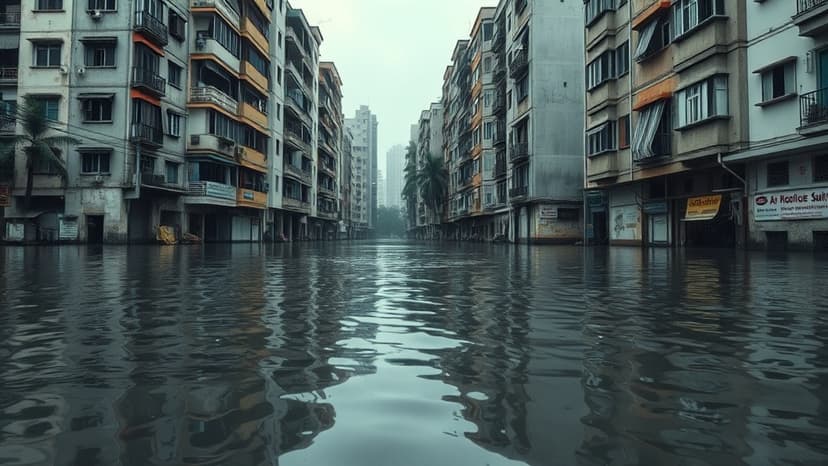
Mumbai is grappling with a familiar crisis as relentless rain has submerged its streets and inundated homes over the past five days, resulting in at least seven fatalities. The city's geography, built on reclaimed land with a disrupted hydrological network, makes it particularly vulnerable to flooding.
Despite improvements made after the devastating 2005 floods, including enhanced pumping stations, Mumbai's drainage system remains inadequate for short, intense rainfall bursts. The reliance on gravity to drain water into the sea is compromised when heavy downpours coincide with high tides.
Globally, cities like those in China and the Netherlands are adopting innovative 'sponge city' policies and water-retaining designs. Mumbai's municipal agencies also have lake restoration plans, but "blue-green infrastructure" is largely underdeveloped in India. The challenge lies in designing urban centers to withstand extreme weather.
As of July 7, 2026, forecasters have warned of more rain over the next three days, intensifying fears of further flooding in the financial capital.


