Home / Disasters and Accidents / Hikers' AI Reliance Leads to Rescue
Hikers' AI Reliance Leads to Rescue
5 Sep
Summary
- Hikers used AI for planning, leading to a rescue operation.
- AI provided inaccurate advice on nutrition and timing.
- Navigation failure due to dead phone battery compounded issues.
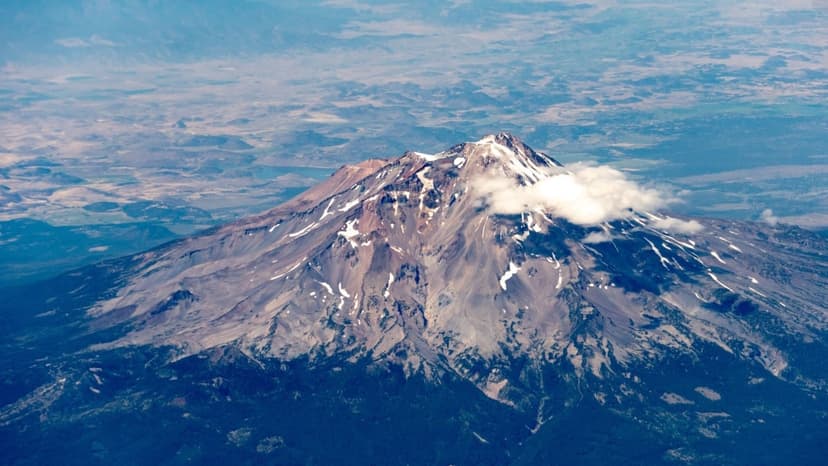
Three young men with limited climbing experience attempted to summit Mt. Shasta, a 14,179-foot peak in California, using artificial intelligence to plan their ascent. Their planned eight-hour climb devolved into a search-and-rescue mission after AI provided flawed guidance.
AI incorrectly advised the hikers on nutrition, suggesting simple carbs over fats, and underestimated the climb's duration. The hikers' ascent took 16 hours, double the AI's estimate. They also experienced navigation failures when their phone's battery died, with a backup charger proving ineffective.
The situation escalated when one hiker fell and injured his knee. By midnight, the group was stranded with no food, water, warm clothing, or shelter. Forest Service climbing rangers located them the following morning, and after a failed helicopter rescue attempt due to high winds, the hikers were brought back to basecamp.
Experts highlight that while AI can be a tool, it should not replace critical thinking or consultation with experienced individuals. This incident underscores the dangers of over-reliance on technology in hazardous environments and the importance of proper preparation and mountain sense.


