

Home / Disasters and Accidents / Volcanic Landslides Threaten Mediterranean with Tsunamis
Volcanic Landslides Threaten Mediterranean with Tsunamis
16 Apr
Summary
- Mediterranean faces high tsunami risk in 30-50 years.
- Volcanic landslides, not tectonic shifts, pose greatest threat.
- Mount Etna's flank instability could trigger massive waves.
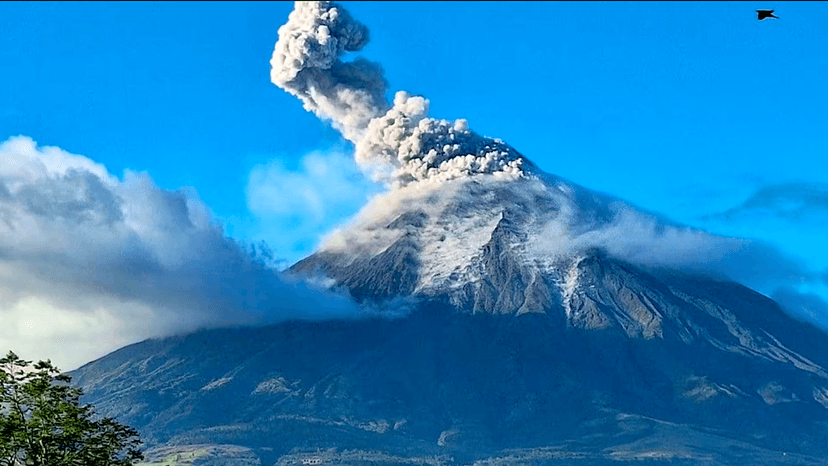
The Mediterranean Sea, often overlooked as a tsunami hotspot, is predicted by experts to face a significant mega-tsunami event within the next 30 to 50 years. This impending disaster is not expected to originate from usual tectonic plate movements but rather from volcanic landslides. Historically, these events have been responsible for the largest and most destructive waves.
UNESCO forecasts a 100% chance of a tsunami at least 1 meter high occurring in the Mediterranean in the coming decades. However, some experts consider this estimate conservative. Mount Etna, a highly active volcano in Italy, presents a notable risk. Its southeastern flank is slowly sliding towards the sea due to clay-rich sediments, a movement detected on the seafloor itself.
Should this flank accelerate suddenly, the resulting tsunami could be immense. This concern is amplified by historical precedents. For instance, an earthquake in 365 CE off the coast of Crete generated a powerful tsunami, raising parts of the island significantly. The ongoing geological activity in the region highlights the persistent vulnerability to seismic and volcanic hazards.
