Home / Disasters and Accidents / Cyclone Fytia Devastates Madagascar: 7 Dead, 20,000 Displaced
Cyclone Fytia Devastates Madagascar: 7 Dead, 20,000 Displaced
9 Feb
Summary
- Tropical Cyclone Fytia caused at least seven deaths and displaced over 20,000 people.
- The storm unleashed winds up to 90 mph and nearly 6 inches of rain in Madagascar.
- Madagascar is highly vulnerable to climate change impacts like cyclones and droughts.
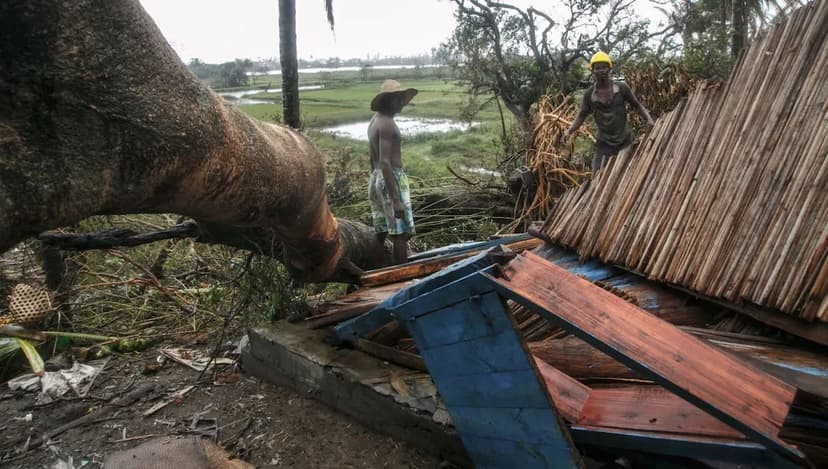
A powerful tropical cyclone, identified as Fytia, made landfall in Madagascar over the weekend, unleashing extreme winds of up to 90 mph and torrential downpours. The devastating storm has claimed the lives of at least seven people and forced over 20,000 residents from their homes.
Access to the areas most affected by the cyclone remains severely constrained, according to the United Nations Office for the Coordination of Humanitarian Affairs. The storm rapidly intensified, with winds escalating from 45 mph to 115 mph within a 24-hour period, and stronger gusts reaching 130 mph.
ReliefWeb's report indicates the cyclone had a medium humanitarian impact potential, considering the exposed population, existing vulnerabilities, and the storm's intensity. Forecast models suggested continued heavy rainfall and potential ongoing impacts as the system moved away from the land.
The United Nations classifies Madagascar as the fourth most vulnerable country globally to the effects of climate change. The nation frequently experiences droughts and cyclones that are growing in frequency and intensity due to global warming.
UNICEF's warnings highlight the climate crisis as a crisis for children's rights, projecting that 28 million additional children may face severe malnutrition by 2050 without urgent intervention. Additionally, rising global temperatures are expected to continue at record levels, leading to more extreme climate events.
Scientists have linked ongoing droughts in southern Madagascar to climate change, exacerbated by intensifying El Niño events. Shorter, delayed rainy seasons pose a significant threat to food security, necessitating adaptation strategies such as drought-resistant crops.