Home / Disasters and Accidents / LGBTQ+ Survivors Face Bias in Fire Recovery
LGBTQ+ Survivors Face Bias in Fire Recovery
28 Jan
Summary
- LGBTQ+ survivors faced greater vulnerabilities and less support.
- Discrimination created barriers to recovery services.
- Housing vulnerability was higher for LGBTQ+ renters.
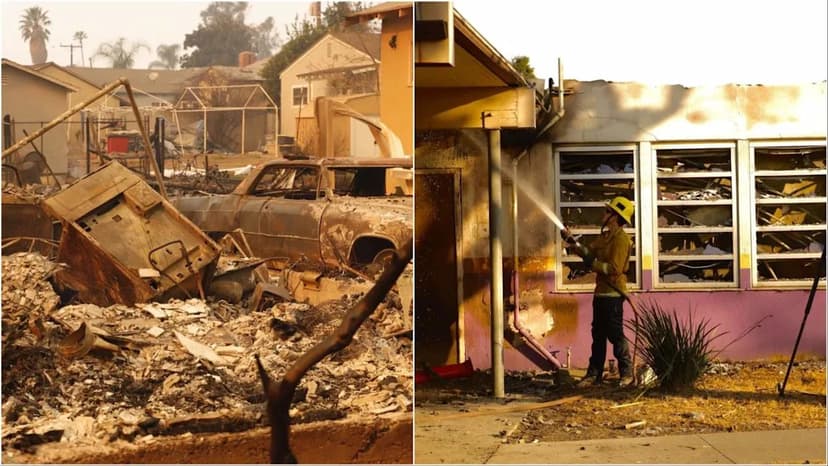
A report released by the Williams Institute and LA County Department of Public Health has highlighted the disproportionate impact of recent wildfires on LGBTQ+ households and businesses, one year after the fires. LGBTQ+ survivors reportedly entered the disaster recovery with pre-existing vulnerabilities and faced additional barriers due to discrimination and bias from service providers.
Findings indicate LGBTQ+ residents were more likely to be renters, increasing their housing vulnerability and affecting their access to homeowner-focused recovery programs. They also faced heightened risks of legal disputes with landlords, needing legal assistance three to four times more often than non-LGBTQ+ residents. Participants reported feeling their claims were taken less seriously once their sexual orientation or gender identity became known.
Survivors described encountering issues with FEMA assistance, including problems with preferred names and paperwork not matching federal records, and discrimination based on same-sex domestic partnerships. Trans and nonbinary participants specifically noted mistreatment and deadnaming during their rental searches. The loss of LGBTQ-inclusive spaces, such as June Bug Tattoos, a queer and woman-owned business, has also negatively impacted the community's sense of stability and belonging.