


Home / Disasters and Accidents / Lansing Flooded: Sewers Clogged, Parks Submerged
Lansing Flooded: Sewers Clogged, Parks Submerged
6 Apr
Summary
- Heavy rains caused widespread flooding in Lansing and surrounding communities.
- Clogged storm drains and backed-up sewers exacerbated street and park flooding.
- Lansing officials deployed pumps, while Meridian Township closed parks and roads.
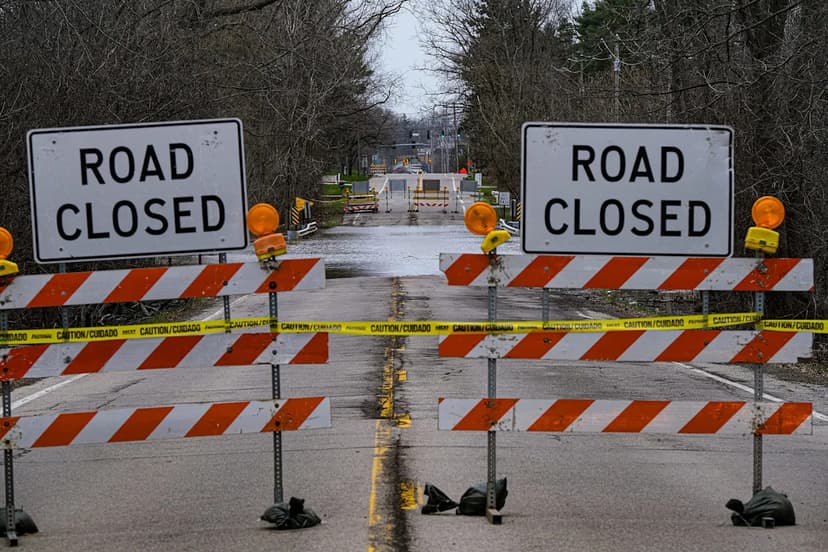
Heavy rainfall inundated Lansing and several surrounding communities, leading to widespread flooding over the weekend of April 4-5, 2026. Lansing received 1.73 inches of rain on April 4 alone, contributing to a three-day total of 2.6 inches. This deluge overwhelmed the city's infrastructure, causing plugged catch basins and flooded streets. Resident Shelby Gallimore-Patrick expressed frustration with clogged sewers, stating that debris prevented proper drainage and led to flooding in areas like Soldan Dog Park.
City officials, including Public Service Director Andy Kilpatrick, acknowledged the severity of the event. On April 4, over 100 rain-related complaints were received, prompting the deployment of city pumps to alleviate pressure from overflowing sewers. Flooding impacted key routes such as U.S. 127, necessitating road closures and pump operations. Meridian Township also experienced significant flooding, forcing the closure of Ferguson and Wonch parks, along with several roads.
Township Supervisor Scott Hendrickson emphasized that safety was a priority, with roads like Nakoma Drive and Hamilton Road being affected. He noted that while the township could close problematic roads, issues like failing sump pumps were beyond their direct control. Meridian Township faces a substantial challenge with necessary road raising projects, such as on Okemos Road, requiring an estimated $15 to $16 million, for which federal assistance is being sought due to the significant local impact and cost.
The National Weather Service issued flood warnings for several area rivers, including the Grand River, Sycamore Creek, Red Cedar River, and Maple River. Meteorologist Walt Felver predicted these warnings would likely be lifted early in the week of April 6, 2026, as water levels recede, with the Red Cedar River warning potentially lasting until April 9.
