

Home / Disasters and Accidents / LaGuardia Crash: Controller Distracted Before Fatal Collision?
LaGuardia Crash: Controller Distracted Before Fatal Collision?
3 Apr
Summary
- Controller potentially left desk during emergency call before crash.
- Fire truck driver may have missed controller's stop commands.
- Two pilots died in the Air Canada jet and fire truck collision.
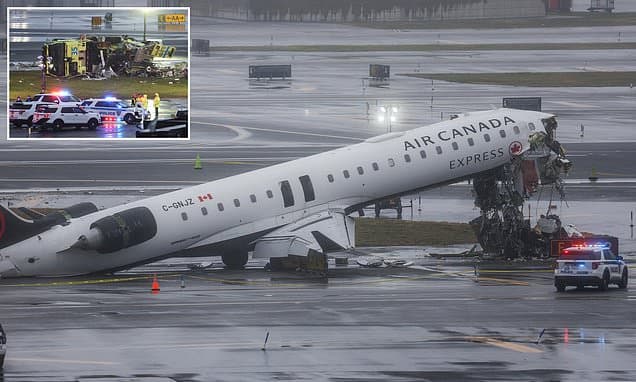
Investigators are exploring several factors behind the fatal March 22 collision between an Air Canada jet and a LaGuardia Airport fire truck. Two pilots, 30-year-old Mackenzie Gunther and 24-year-old Antoine Forest, were killed in the crash, which marked the first fatal accident at the airport in 34 years. Forty others were hospitalized, including flight attendant Solange Tremblay, who survived being thrown over 330 feet from the aircraft.
A primary focus of the National Transportation Safety Board (NTSB) investigation is whether a staffing layout contributed to the tragedy. Moments before the impact, air traffic controllers were managing an emergency call from a United flight reporting an odor in the cockpit. Because the pilots could not reach airport operations, the tower used a landline telephone located across the room. NTSB Chairwoman Jennifer Homendy noted that with only two controllers on duty, one may have been forced to leave their station to answer that call, potentially diverting attention from the runway.
The emergency call triggered a convoy of six fire trucks. As the Air Canada jet approached at approximately 150 mph during heavy rainfall, a controller was heard on audio desperately shouting for "Truck One" to stop. However, the lead truck failed to brake at the stop line. Investigators are looking into whether the driver missed these instructions due to a communication "block," which happens when two parties transmit on the radio simultaneously.
The NTSB is currently reconstructing the driver’s line of sight to determine if visibility was obstructed. Other factors under review include the positioning of the emergency vehicles, equipment malfunctions, and the heavy weather conditions. In the aftermath, recorded audio captured the controller’s distress, stating they were dealing with a separate emergency and "messed up."
As the investigation continues, officials are interviewing the surviving firefighters and tower staff to determine the exact sequence of errors. The data collected aims to clarify how a series of simultaneous demands—monitoring multiple runways, managing a cockpit emergency via landline, and directing a high volume of flights—led to the fatal lapse in communication.
