Home / Disasters and Accidents / Kosi River: India's 'River of Sorrow' Embankment Failure
Kosi River: India's 'River of Sorrow' Embankment Failure
3 Dec, 2025
Summary
- Kosi River, known as 'river of sorrow,' repeatedly breaches embankments.
- Experts warn embankments disrupt natural river functions and cause siltation.
- Learning to live with floods is proposed as a sustainable alternative.
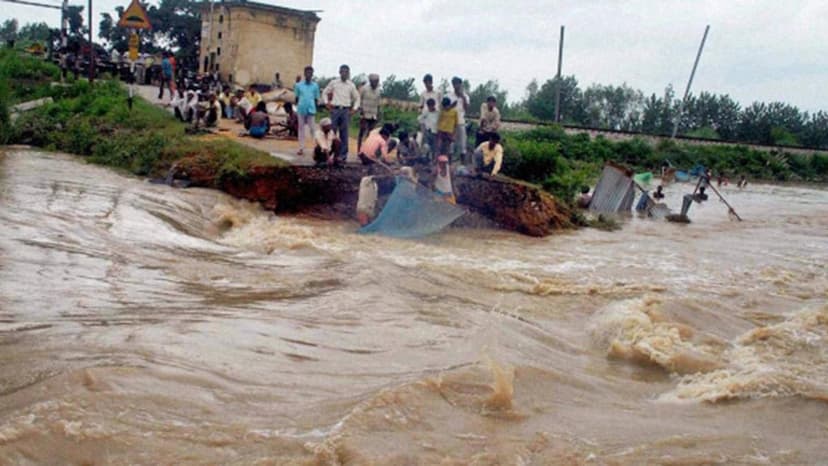
The Kosi River in Bihar, infamously known as the 'river of sorrow,' has a recurring pattern of breaching its embankments, leading to catastrophic floods. The Kosi has breached its embankment multiple times, notably in 2008 and 2024, displacing thousands and affecting millions. Experts critically question the efficacy of these artificial barriers, highlighting how they disrupt the natural flow and sediment transport of rivers.
Historical reports and expert opinions suggest that embankments, while intended for flood control, can exacerbate problems by causing siltation and raising riverbeds. This leads to increased danger during monsoons. The article points out that the Kosi has shifted its course significantly over centuries due to natural sedimentation, a process exacerbated by man-made structures.
An alternative approach of "learning to live with floods" is gaining traction. This involves accepting natural river processes and focusing on sustainable solutions like reviving paleochannels. Experts argue that India lacks the infrastructure to maintain embankments effectively, making them a non-viable long-term solution for flood management. The focus is shifting from flood control to flood resistance.