Home / Disasters and Accidents / JFK Jr. Crash: Pilot Details Fatal Flight Risks
JFK Jr. Crash: Pilot Details Fatal Flight Risks
14 Mar
Summary
- Low visibility and darkness overwhelmed novice pilot.
- Hazy, hot, humid conditions contributed to spatial disorientation.
- Pilot warned of risks, but JFK Jr. chose to fly alone.
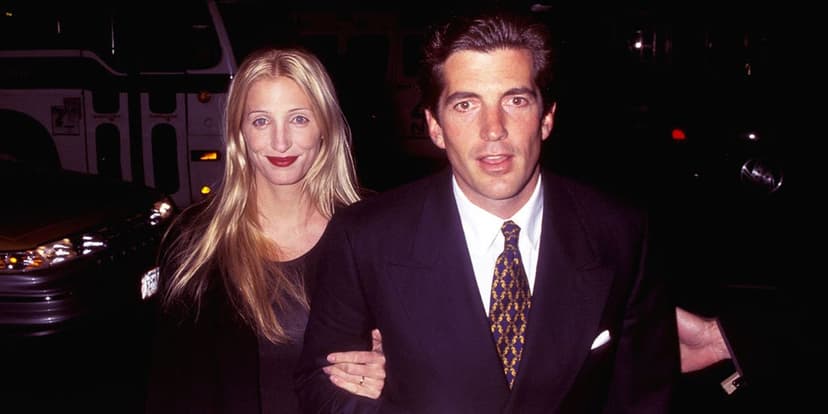
Kyle Bailey, author of "Witness," believes low visibility, darkness, and overwater flying led to John F. Kennedy Jr.'s fatal crash in 1999. Bailey, a pilot and aviation analyst, detailed the "graveyard spiral" phenomenon that likely doomed Kennedy, his wife Carolyn Bessette Kennedy, and her sister Lauren Bessette.
On July 16, 1999, the trio perished when Kennedy's Piper Saratoga crashed near Martha's Vineyard. Bailey, who was at Essex County Airport that evening, expressed deep concern as he watched them depart. He had planned to fly to the same destination but canceled his trip due to "iffy" weather, noting the hazy, hot, and humid conditions that predicted reduced visibility.
Bailey observed Kennedy's pre-flight checks and saw the plane take off at 8:38 p.m. He later recalled thinking he hoped Kennedy didn't endanger himself. Kennedy, with limited night experience in the complex aircraft and still completing instrument training, chose to fly solo despite advising his instructor he wanted to fly alone.
Investigators concluded the probable cause was the pilot's failure to maintain control due to spatial disorientation over water at night, with haze and darkness as contributing factors. The wreckage was found five days later, and the bodies were recovered from the ocean floor.